Analysis Of Smartwatch Market Trends
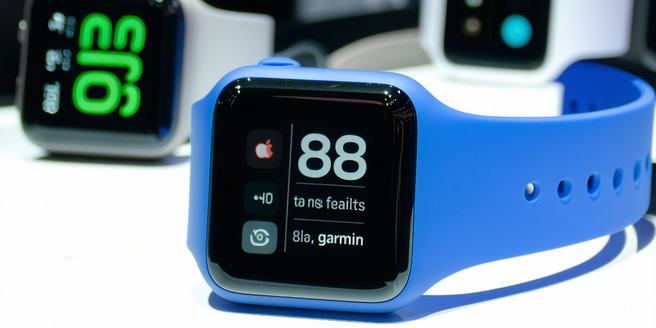
Current Market Overview
Smartwatch sales have surged in recent years, driven by technological advancements and increasing consumer awareness of health and fitness. Their integration with smartphones and expanding functionality have made them popular across various age groups. According to recent market analysis, the global smartwatch market continues to expand, with Asia Pacific and North America leading in consumption. In addition, manufacturers are continually innovating, introducing new designs and practical features that cater to diverse lifestyles. Price competition, brand value, and technological features are significant factors influencing consumer choices. With the rise of IoT and AI, smartwatches offer more than just fitness tracking, including payment systems, communication tools, and entertainment. The market is poised for continued growth with increasing adoption rates.
Key Players and Competitors
The smartwatch market is highly competitive, with several key players dominating. Companies like Apple, Samsung, and Garmin lead in innovation and market share, each offering a range of features and price points. Apple Watch is considered a market leader, known for its seamless integration with other Apple products. In recent years, smartwatches have become essential tools for both fitness tracking and communication. Samsung’s Galaxy watch offers robust features and customization, gaining a significant foothold in the market. Meanwhile, Garmin targets fitness enthusiasts with specialized tracking and durability. Emerging competitors from China, such as Huawei and Xiaomi, are capturing market share by offering cost-effective alternatives with impressive specifications. The competition drives improvements and innovation.
Innovative Features Driving Demand
Cutting-edge features are critical in attracting consumers to smartwatches. Health monitoring functions like heart rate tracking, ECG, and SpO2 have become standard, appealing to health-conscious consumers. These features allow users to keep a constant check on their well-being with ease. The integration of mental health tracking is also on the rise, offering a comprehensive approach to personal health management. Apps that track sleep patterns, stress levels, and provide personalized fitness coaching add value. Smarter integrations with IoT devices, virtual assistants, and enhanced battery life improve usability. Additionally, models offering cellular connectivity enable users to make calls, send messages, and access data without a smartphone. NFC technology for payments is also becoming ubiquitous, along with improvements in water resistance and durability. Ongoing advancements ensure that smartwatches remain desirable gadgets.
Challenges Facing the Industry
The smartwatch industry faces several challenges, primarily around data security and privacy concerns. As devices collect sensitive health data, ensuring user privacy and preventing unauthorized access is paramount. One potential solution could be adopting blockchain technology to enhance data protection. Manufacturers are increasingly investing in robust encryption technologies to safeguard user information. Regulatory compliance varies across regions, complicating the market for global brands. Battery life continues to be a limitation due to the increased functionality of these devices, requiring breakthroughs in technology for longer-lasting performance. Furthermore, market saturation in developed regions may limit growth opportunities, requiring companies to explore emerging markets. Pricing pressures also persist, as consumers demand feature-rich products at affordable prices.
Future Projections and Opportunities
The future of this market appears promising as technology continues to evolve. Efforts in AI and machine learning could bring intelligent personalization to users, enhancing value propositions. Expansion into medical-grade health monitoring may position smartwatches as indispensable tools for healthcare, also creating opportunities in telemedicine. The adoption of wearables in corporate wellness programs could also drive market growth. As 5G networks roll out globally, connectivity and the capabilities of these devices are expected to improve significantly. Furthermore, the integration of advanced sensors could enable more accurate health tracking. Vendors focusing on eco-friendly production processes and materials may gain an advantage as consumer awareness around sustainability grows. The continued integration with diverse IoT ecosystems will produce new use cases and customer segments.