Smart Thermostat Efficiency
How Smart Thermostats Work to Save Energy
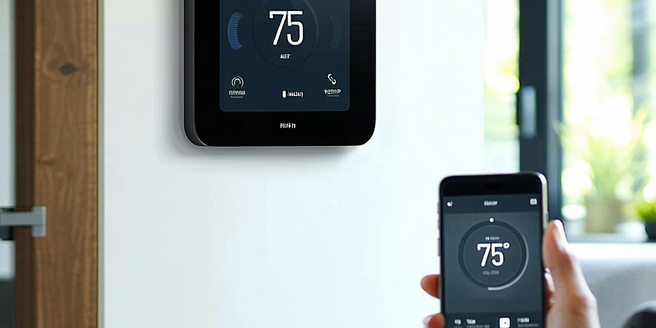
Smart thermostats intelligently manage your home’s heating and cooling operations to optimize energy usage. By learning your schedule and preferences, they adjust temperatures automatically, ensuring comfort while minimizing unnecessary heating or cooling. These devices employ sensors and integrate with your smartphone or smart home system to detect when you are home or away, helping to adjust the temperature accordingly. Furthermore, many models offer features like geofencing, which adjusts the temperature based on your proximity to home. With detailed energy reports, users can track consumption and make informed decisions about their energy use, ultimately leading to cost savings on utility bills. By maintaining optimal temperature settings automatically, smart thermostats make significant contributions to energy efficiency and eco-friendly living.
Key Features of Modern Smart Thermostats
Modern smart thermostats come equipped with a plethora of advanced features designed for efficiency and convenience. One standout feature is remote control capability through mobile apps, allowing users to adjust settings from virtually anywhere. Voice integration with smart assistants like Alexa or Google Assistant enhances user interaction. Learning algorithms are pivotal, as they remember your preferred temperatures and routines, automatically making adjustments. Some models provide energy usage reports, helping users understand their consumption patterns. Geofencing technology adjusts settings based on your location, improving comfort and efficiency. Touchscreen displays, easy-to-understand interfaces, and compatibility with various HVAC systems are common. Additionally, many thermostats offer compatibility with other smart home devices, creating a seamless and energy-efficient ecosystem. These features collectively ensure user comfort while optimizing energy use.
Comparing Smart Thermostat Brands and Models
When comparing smart thermostat brands and models, it’s crucial to consider features, compatibility, and price. Leading brands like Nest, Ecobee, and Honeywell offer robust options that cater to various needs. Nest’s learning capabilities and sleek design make it a popular choice, while Ecobee stands out for its room sensors and compatibility with multiple smart home systems. Honeywell offers a range of models with robust performance and adaptability. Each brand provides unique selling points: Nest excels in ease of use, Ecobee in customizability, and Honeywell in affordability and reliability. Evaluating based on energy-saving potential, ease of installation, and user interface is essential. Reading reviews and comparing product specifications will provide insights into the best fit for your home and budget, helping make a well-informed decision.
Installation and Setup: Getting Started
Installing a smart thermostat is a straightforward process, but it requires some preparation. First, ensure compatibility with your HVAC system by checking the specifications of the thermostat. Gather necessary tools such as a screwdriver and a drill if needed. Begin by turning off power to your HVAC system to ensure safety. Follow the manufacturer’s instructions for removing your old thermostat and installing the new one, usually involving a few screws and wiring connections. Most smart thermostats offer intuitive setup guides, and many have customer support or video tutorials. Once connected, power on the system and follow on-screen prompts to connect the thermostat to your Wi-Fi network. Setup often involves creating an account on a companion app that allows remote access. After successful installation, you can customize settings to optimize comfort and energy efficiency.
Maximizing Savings with Smart Thermostat Settings
To make the most of your smart thermostat, focus on optimizing settings for maximum energy savings. Utilize the learning capability by setting a schedule that aligns with your routine, enabling the thermostat to adjust the temperature automatically. Take advantage of away modes to reduce energy use when the house is unoccupied. Use geofencing to adjust settings based on your location – heating or cooling only when you’re nearby. Regularly check energy reports provided by your device to identify patterns and make informed adjustments. Leveraging features like weather-adaptive functions helps prepare the home environment efficiently based on external conditions. Ensure that the thermostat is placed in a location that accurately represents the home’s general temperature. By utilizing these strategies, a smart thermostat can significantly lower energy usage and reduce utility costs.
Future Trends in Thermostat Technology
The future of thermostat technology is set to be driven by advancements in AI and IoT integration. Emerging smart thermostats will boast even more sophisticated learning algorithms, capable of predicting user behavior and making adjustments with enhanced accuracy. As 5G technology becomes widespread, thermostats will function more seamlessly with smart home networks, offering lightning-fast response times and robust connectivity. Enhanced compatibility with renewable energy sources like solar panels will become common, enabling greener home energy solutions. As privacy concerns grow, manufacturers are expected to emphasize secure data handling and user control. Another trend is the development of more intuitive user interfaces, showcasing real-time data in a user-friendly manner. Additionally, adaptive technology will improve the ability to maintain optimal indoor climates, taking outdoor weather into account, ensuring homes are energy-efficient and comfortable.