Smart Home Devices Trends
1. The Rise of AI in Smart Home Tech
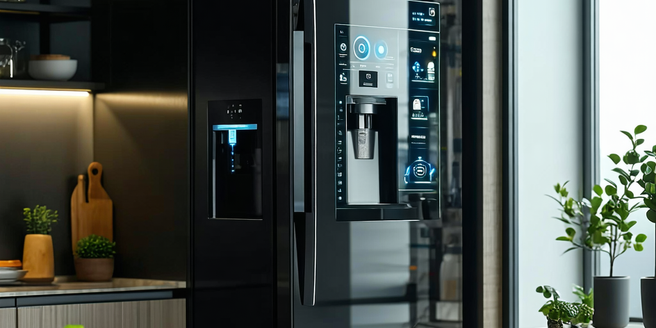
Artificial intelligence is revolutionizing smart home technology by transforming simple automation into intelligent, learning systems. AI-powered devices are capable of analyzing data patterns and adapting to user preferences, enabling a personalized home environment. This transformation allows for more efficient household management and improves the overall quality of life for residents. For instance, AI can optimize heating and lighting by learning routines and adjusting settings for energy savings. Moreover, these systems can integrate with other smart technologies, further enhancing their capabilities. Additionally, AI enriches security systems by recognizing unusual activities and alerting homeowners. These technologies underscore the growing importance of seamless and responsive smart home experiences, paving the way for more sophisticated domiciles.
2. Energy Efficiency and Sustainability
As environmental awareness grows, smart home devices prioritize energy efficiency and sustainability. New technologies like smart thermostats and energy monitoring systems provide homeowners with the tools to track and reduce their energy consumption. With the rise of eco-consciousness, manufacturers are continuously innovating to meet the demands of environmentally responsible consumers. These devices offer precision control over heating, cooling, and lighting, thereby lowering utility bills and carbon footprints. The increased public interest in green technology also drives policymakers to encourage the adoption of smart home systems. More households are adopting these technologies to contribute positively to the environment. Moreover, integrating renewable energy sources such as solar panels with smart energy systems optimizes usage and storage. These innovations are crucial steps toward sustainable living, demonstrating a commitment to environmental stewardship.
3. Enhanced Home Security Solutions
In response to increasing security concerns, smart home technology is providing more robust security solutions. Enhanced home security systems now feature advanced cameras with facial recognition, real-time alerts, and smart locks, which offer homeowners more control through mobile apps. These advancements are designed to deter potential intruders more effectively. Many users have reported a significant reduction in the number of security breaches since implementing these systems. As more people adopt this technology, they find peace of mind in knowing their homes are well-protected. These systems not only allow remote monitoring but also integration with other smart devices for comprehensive security coverage. The rise of Internet of Things (IoT) technologies allows seamless interoperability between security devices, ensuring that homes are safer and more secure than ever before.
4. Integration and Interconnectivity
Integration and interconnectivity are at the heart of modern smart home systems, facilitating communication between devices for enhanced functionality. Smart hubs and platforms allow diverse devices to work together, enabling centralized control through a single interface. With advances in technology, these systems are becoming increasingly user-friendly. As a result, more homeowners are beginning to explore the benefits of smart home automation. This progress is making smart home technologies more accessible to a broader audience than ever before. This connectivity is crucial for streamlining daily routines, from setting scenes that adjust lighting and temperature together to automating home security protocols. As industry standards like Matter continue to evolve, interoperability between different brands promises a more cohesive and user-friendly smart home experience.
5. The Growing Role of Voice Assistants
Voice assistants are becoming indispensable in managing smart home ecosystems, thanks to their evolving capabilities and convenience. Devices like Amazon’s Alexa, Google Assistant, and Apple’s Siri can perform a wide array of tasks, from controlling lights and thermostats to ordering groceries. As natural language processing improves, these assistants offer more intuitive interactions, allowing users to manage their homes effortlessly through voice commands. With every software update, their efficiency and accuracy continue to advance. This continuous improvement ensures that users can rely on their voice assistants for more complex tasks over time. The integration of voice technology enhances accessibility and personalizes the smart home experience, making it an essential part of modern living.