Human-computer Interaction Innovations
Evolution of User Interface Design
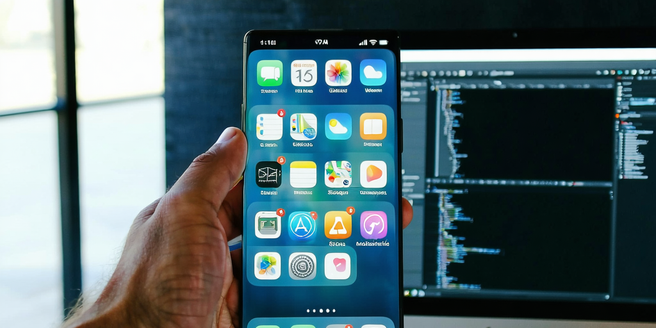
User interface design has evolved dramatically over time, from the early command line interfaces to the sophisticated graphical user interfaces we see today. Initially, interaction with computers required in-depth knowledge of programming languages, limiting access to experts. However, advancements in technology have made user interfaces more intuitive and accessible. The introduction of graphical elements and icons transformed user experiences, making computers a staple in everyday life. Touchscreens, voice commands, and gesture controls have further revolutionized how we interact with technology. This evolution reflects an ongoing commitment to enhancing usability and efficiency, focusing on the user’s needs. As technology continues to advance, the interface designs will continue to adapt, becoming more natural and user-centric.
Role of Artificial Intelligence in HCI
Artificial Intelligence (AI) plays a pivotal role in modern Human-computer Interaction (HCI). By harnessing machine learning algorithms, AI can create personalized user experiences, adapt systems to individual preferences, and predict user needs. In intelligent assistants like Siri, Alexa, and chatbots, AI enhances usability by allowing users to interact more naturally with devices. It automates mundane tasks, provides real-time decision support, and improves accessibility for users with disabilities. AI’s integration in HCI also promotes hands-free interactions, enabling more seamless communication between users and systems. As AI technology advances, its role in HCI will expand, optimizing the interaction techniques and creating smarter, more intuitive devices that cater to a diverse range of user requirements and enhance overall user satisfaction.
Gesture and Voice Recognition Technologies
Gesture and voice recognition technologies have become integral to Human-computer Interaction (HCI), transforming the way users engage with devices. These technologies allow more natural and intuitive interactions by enabling users to control devices with gestures or voice commands, without needing physical input devices. Gesture recognition captures movement patterns, facilitating interactions in virtual environments or with smart home devices. Voice recognition, driven by advances in natural language processing, enables seamless communication with virtual assistants and smart devices. These technologies improve accessibility for users with disabilities and enhance user experience by offering alternative input methods. As they continue to evolve, gesture and voice recognition will further enhance the interactivity and flexibility of HCI, creating more immersive and user-friendly experiences.
Virtual and Augmented Reality Applications
Virtual and Augmented Reality (VR and AR) are groundbreaking technologies in the realm of Human-computer Interaction (HCI), redefining how users perceive and interact with digital content. VR immerses users in entirely computer-generated environments, offering experiences that extend beyond the physical world. AR enhances the real world by overlaying digital elements, providing users with enriched information and immersive interactions. In fields such as education, healthcare, and gaming, VR and AR offer innovative applications, facilitating experiential learning, advanced simulations, and interactive entertainment. Even industries like real estate and retail benefit from these technologies by offering virtual tours and immersive product experiences. As development continues, VR and AR will unlock new possibilities in HCI, fostering creative and transformative user experiences.
Ethical Considerations in HCI Development
Ethical considerations are pivotal in the development of Human-computer Interaction (HCI) technologies. As HCI evolves, developers must address issues of privacy, data security, and user consent. Ensuring that user data is protected and that systems are transparent about their data usage policies is crucial. There is also a need to address algorithmic biases that may arise in AI-driven interactions, ensuring fair and equitable treatment for all users. Developers must strive for inclusivity, designing interfaces that accommodate diverse cultural and demographic backgrounds. Moreover, the impact of technology on mental health and well-being is increasingly gaining attention, highlighting the need for responsible design. As HCI continues to advance, a strong ethical framework will be essential to guide development and ensure user trust and safety.
Future Trends in Human-computer Interaction
The future of Human-computer Interaction (HCI) is set to be shaped by emerging technologies and innovative design paradigms. HCI will likely continue its transition towards more seamless, natural interactions. AI will play a significant role, enabling personalized and adaptive user experiences. The rise of wearable devices and the Internet of Things (IoT) will further enhance connectivity, allowing for continuous and intuitive interactions across varied contexts. Brain-computer interfaces are another exciting prospect, potentially revolutionizing how we interact with technology by bypassing traditional input methods. Furthermore, sustainable design practices will become increasingly important, focusing on creating technology that minimizes environmental impact. As these trends develop, they will collectively redefine HCI, offering more intelligent, interactive, and sustainable user experiences.