Virtual Reality In Entertainment
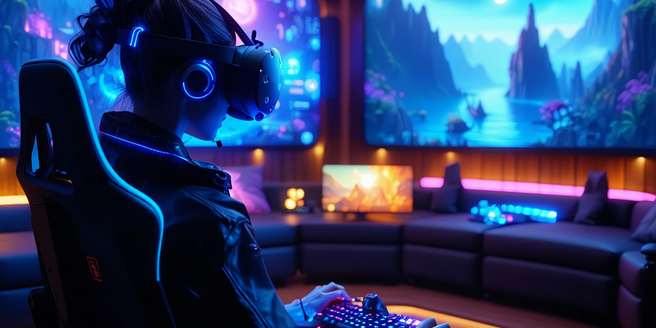
The Evolution of Virtual Reality in Gaming
Virtual reality in gaming has seen a remarkable evolution over the decades. From the rudimentary graphics and limited interactivity of early systems, VR has transformed into an immersive experience with high fidelity graphics and intuitive gameplay. The development of headsets like Oculus Rift and HTC Vive has pushed the boundaries, allowing players to step into expansive and lifelike worlds. These advancements are not just in visual appeal but also in gameplay mechanics, enabling interactions that were once thought impossible. Multiplayer environments have also leveraged VR technology, creating shared experiences that foster a sense of camaraderie and competitive spirit. With continual improvements in hardware and software, the possibilities for VR in gaming seem boundless, promising a future that further blurs the line between virtual and reality.
How VR is Transforming the Film Industry
Virtual reality is revolutionizing the film industry by offering an entirely new dimension of storytelling. Traditional films are confined to a two-dimensional space, but VR enables a 360-degree view, offering viewers an immersive experience that traditional media cannot match. Directors and producers are exploring this medium to create interactive narratives where audiences can choose perspectives, engage with characters, and become part of the storyline. This transformation requires rethinking cinematic techniques, from lighting and camera work to sound design, to fully exploit VR’s potential. Major studios and independent filmmakers alike are experimenting with VR films, showcasing its ability to evoke emotions and transport audiences to locations previously accessible only in imagination. As technology advances, VR promises to redefine the film-going experience, drawing audiences into worlds of unprecedented depth and realism.
Virtual Reality in Live Events and Concerts
Virtual reality is setting a new standard for live events and concerts by bringing the experience directly to a global audience. Traditionally, attending a concert required being physically present, but VR changes that by offering front-row experiences from the comfort of one’s home. VR technology provides a 360-degree panoramic view, allowing fans to feel like they’re part of the crowd or even on stage with their favorite artists. Event organizers are leveraging VR capabilities to enhance audience engagement, offering interactive experiences and exclusive backstage content. This shift not only increases accessibility but also expands an artist’s reach, connecting them to a larger and more diverse audience without geographical limitations. As VR technology continues to advance, it holds the potential to reshape how we experience live entertainment, providing an immersive, communal experience across the globe.
Impact of VR on Social Interaction and Networking
Virtual reality is poised to transform social interaction and networking by creating immersive environments where people can meet and interact without physical limitations. Unlike traditional social media, VR platforms offer a sense of presence and realism, enabling users to feel as though they are occupying the same space as others, regardless of geographical distance. This can enhance personal connections and foster new relationships, with users meeting in virtual spaces that replicate real-world settings or offer fantastical environments that stimulate creativity. In professional settings, VR is used for networking events and conferences, allowing participants to engage with speakers and peers more interactively. As VR continues to evolve, it could redefine social norms and lead to innovative ways of connecting, sharing, and collaborating, breaking down barriers that prevent people from connecting in meaningful ways.
The Rise of VR Arcades and Theme Parks
Virtual reality arcades and theme parks are rapidly gaining popularity, offering experiences that were once confined to science fiction. These venues allow guests to immerse themselves in various scenarios, from piloting spacecraft to exploring ancient ruins, all within a highly controlled environment. Unlike home VR setups, these establishments offer premium equipment and expansive setups that create a more intense and engaging experience. VR theme parks also experiment with hybrid attractions that combine physical sets with virtual worlds, enhancing the illusion and excitement. As the demand for immersive entertainment grows, these venues have become hotspots for group activities, appealing to families, friends, and thrill-seekers alike. Developers continuously push the boundaries of technology to create ever more realistic and captivating experiences, keeping guests returning for new adventures.
Future Trends of VR in the Entertainment World
The future of virtual reality in entertainment is poised for exponential growth and innovation. As technology advances, VR experiences are expected to become more realistic and accessible to a broader audience. Improvements in hardware, such as lighter and more comfortable headsets, will enhance user experience and encourage longer engagement. Additionally, advancements in graphics and processing power will push the boundaries of what’s possible, leading to more intricate and lifelike virtual worlds. In the entertainment industry, we can anticipate VR to play a significant role in gaming, film, live events, and even virtual tourism. Furthermore, the integration of artificial intelligence and machine learning could enable adaptive experiences that respond to user preferences and behaviors, tailoring content in real-time. With these innovations underway, VR promises to revolutionize how we consume and experience entertainment, setting the stage for an exciting digital future.