Virtual Reality Experiences
History of Virtual Reality Technology
The journey of virtual reality technology dates back to the 1960s when Morton Heilig introduced the Sensorama, a cinematic experience designed to simulate all senses. By the 1980s, VR began to take shape with the development of head-mounted displays and data gloves. In the 1990s, the technology entered public consciousness through arcade games and early home systems, even though the quality was far from perfect. The real breakthrough came in the 2010s with the advent of powerful graphics, advanced motion tracking, and affordable VR headsets. The Oculus Rift, along with platforms like HTC Vive and PlayStation VR, transformed the landscape by offering immersive experiences previously thought impossible. This period marked a rebirth of interest and investment in virtual reality, leading to rapid advancements and applications across various fields.
How Virtual Reality is Transforming Industries
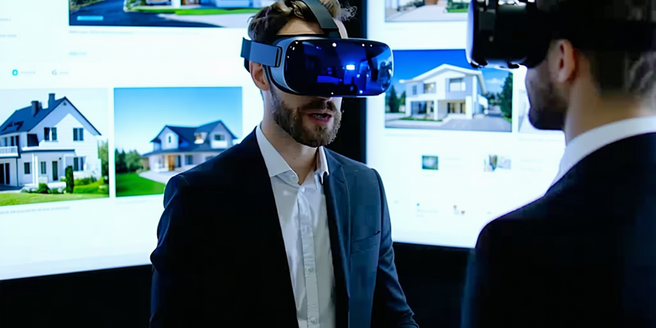
Virtual reality is revolutionizing industries by offering immersive simulations and experiences that traditional methods cannot match. In healthcare, VR is utilized for patient care, surgical training, and pain management. The real estate sector has embraced virtual tours, allowing potential buyers to explore properties from anywhere in the world. Education benefits from virtual classrooms where students can experience historical events or scientific phenomena firsthand. The automotive industry uses VR for design and testing, significantly reducing the time and cost associated with development. Moreover, virtual reality has enhanced training programs across sectors like manufacturing and defense, where realistic scenarios improve skill acquisition and retention. As VR technology continues to advance, its applications expand, leading to more efficient processes and improved user experiences.
Popular Virtual Reality Platforms and Devices
Today’s VR landscape offers a range of platforms and devices catering to various needs and preferences. Oculus Quest has gained popularity for its wireless design and robust library of games and applications, making it accessible to a broad audience. HTC Vive delivers high-end experiences with advanced motion tracking and vivid visuals, appealing to enthusiasts and professionals alike. PlayStation VR brings virtual reality to console gamers with an affordable price point and a growing catalog of titles. On the mobile front, devices like Samsung Gear VR and Google Cardboard provide entry-level VR experiences that appeal to casual users. PC-tethered systems, such as Valve Index, offer peak performance and immersion, appreciated by hardcore users. Each of these platforms contributes to the proliferation and diversity of virtual reality, inviting new audiences into immersive worlds.
The Impact of Virtual Reality on Gaming
Virtual reality has profoundly transformed the gaming industry by offering immersive and interactive experiences that engage players in novel ways. Unlike traditional gaming, VR enables users to ‘step inside’ the game world, fostering a sense of presence and realism. Titles like “Beat Saber” and “Half-Life: Alyx” demonstrate VR’s potential to deliver unique gameplay mechanics and storytelling. Multiplayer experiences are redefined, providing avenues for social interaction within virtual environments. Game developers now design titles with VR-specific controls and interfaces, expanding creative horizons. Additionally, VR arcades have emerged, offering cutting-edge experiences to those without personal VR setups. As technology improves, the line between physical and digital realities continues to blur, resulting in more sophisticated and engaging games that captivate vast audiences.
Virtual Reality in Education and Training
Virtual reality is reshaping education and training by providing immersive experiences that enhance learning outcomes. In education, VR allows students to explore environments ranging from ancient civilizations to the human body, fostering engagement and comprehension. Training programs benefit from realistic simulations where learners can practice skills in a safe, controlled environment. This is particularly valuable in high-stakes fields like aviation and medicine, where hands-on experience is crucial but opportunities may be limited. VR enables repeated practice without the associated risks or costs of real-world training. Additionally, VR supports remote learning, offering interactive classes and experiences regardless of geographic location. With the continued development of VR technology, its role in education and training is set to expand, leading to more innovative and effective learning solutions.
Future Trends in Virtual Reality Development
As virtual reality technology evolves, several trends are set to shape its future. One such trend is the enhancement of hardware, including more powerful and lightweight headsets with better resolution and motion tracking. Companies are focusing on creating ergonomic devices that facilitate longer usage without discomfort. Another trend is the integration of VR with other technologies, such as artificial intelligence and augmented reality, to create mixed reality experiences. The development of realistic haptic feedback will further augment immersion, allowing users to feel sensations within virtual environments. In software, VR is likely to see more sophisticated content creation tools, enabling developers to produce diverse and intricate virtual worlds. As these advancements continue, VR is poised to become more pervasive across both consumer and enterprise sectors, transforming the way we interact with digital content.