Virtual Reality In Real Estate
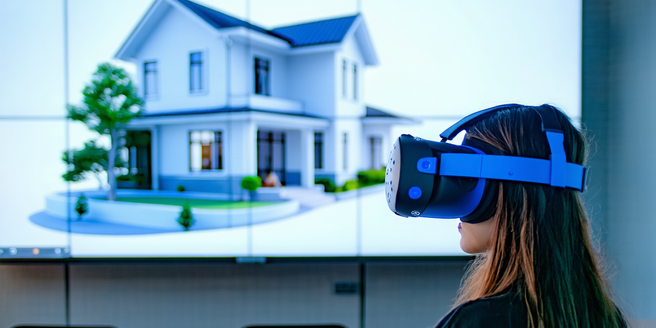
The Rise of Virtual Reality in the Real Estate Market
Virtual reality (VR) is fundamentally reshaping the real estate industry. Traditionally reliant on in-person viewings and physical models, the market is now incorporating VR to offer immersive experiences for potential buyers. With VR technology, prospective buyers can explore properties from their own homes, providing convenience and accessibility. VR in real estate also allows for customization, letting clients modify designs in real-time, which opens a new era of interactive and personalized experience in property buying. As VR headsets become more affordable and widespread, more real estate firms are integrating this technology to stay competitive, reaching a global clientele without geographical constraints.
How Virtual Reality is Transforming Property Viewings
Virtual reality has changed property viewings by making it possible to tour homes without being physically present. This technology allows for a 360-degree walkthrough, providing an experience similar to being on-site. Potential buyers can explore multiple properties in a short period, saving time and resources. Furthermore, it reduces the inconvenience of travel, especially for international clients. Buyers can pause and review specific areas of a property at their leisure, enhancing decision-making. As VR technology continues to evolve, it is expected to offer even more sophisticated and detailed virtual tours, making it a staple in real estate marketing.
Benefits of Using Virtual Reality in Real Estate
Virtual reality offers numerous benefits to the real estate sector. It enhances the customer experience by providing an immersive view of properties without physical visits, which is particularly advantageous during the early stages of the buying process. Moreover, prospective buyers can efficiently compare multiple listings without leaving their homes. VR can showcase properties in various states, from unfinished buildings to fully furnished spaces, making it easier to visualize potential. It also cuts down on logistics costs related to arranging and attending multiple viewings. Additionally, VR facilitates better communication between buyers and sellers, allowing both parties to explore design changes effortlessly during the decision-making process.
Technological Tools Behind Real Estate Virtual Tours
The creation of virtual real estate tours relies on advanced technological tools such as 3D cameras and VR software. Real estate companies use high-resolution 3D imaging equipment to capture detailed visuals of properties, which are then processed and compiled into an interactive virtual tour using specialized software. This innovative approach allows potential buyers to get a comprehensive view of a property without physically being there. Tools like Matterport and VR kits from leading tech companies offer platforms where these virtual models can be viewed. These technologies also integrate features like voiceovers and annotations to guide prospective buyers as they navigate the properties, making the virtual tours more informative and engaging.
Challenges and Limitations of Virtual Reality Adoption
While virtual reality offers significant advantages, there are challenges in its adoption, including high initial costs and technical limitations. VR requires investment in quality hardware and software, which might not be feasible for small real estate firms. Additionally, creating VR content demands skilled personnel, which can be an added cost. Users may also experience disorientation or discomfort during extended VR viewings. Moreover, not all markets or consumer bases are familiar with or willing to engage with VR technology. Furthermore, VR experiences are highly dependent on internet quality and speed, posing limitations in regions with poor connectivity. Despite these hurdles, the potential benefits make it a worthwhile investment for many firms.
The Future of Virtual Reality in the Real Estate Industry
The future of virtual reality in real estate looks promising, with ongoing advancements in technology driving its adoption. As VR becomes more mainstream and affordable, its integration into real estate marketing strategies is expected to be almost universal. The industry anticipates more innovations, such as augmented reality (AR) overlays, enabling even more detailed property walk-throughs and customization options. Developments in VR technology are likely to lead to more immersive, cost-effective, and user-friendly solutions. The real estate sector is poised to benefit from these advancements by offering enhanced client experiences and reaching broader audiences worldwide.