Wireless Chargers: Convenience Redefined
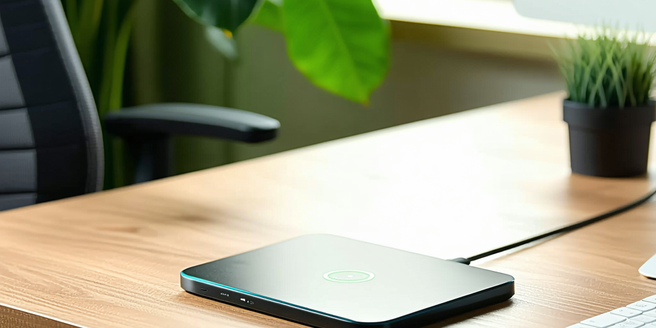
Understanding Wireless Charging Technology
Wireless charging technology, also known as inductive charging, involves transferring power from a source to a device without using a physical connection. This is achieved through electromagnetic fields. The concept is simple: a charging pad generates an electromagnetic field, and when a compatible device with a receiving coil is placed on it, electricity flows through the coil, charging the device’s battery. This method not only eliminates the tangles of wires but also offers safety features like automatic device detection and foreign object detection to prevent overheating or energy waste. Moreover, with advancements in technology, wireless charging is becoming faster and more efficient, providing a seamless power transfer experience. The broader implications of this technology suggest a revolution in how we power our everyday gadgets, leading to more integrated and accessible devices.
The Benefits of Choosing Wireless Over Wired
Opting for wireless charging offers several key benefits over traditional wired methods. Firstly, wireless chargers provide unmatched convenience; simply placing your device on a charging pad eliminates the need for multiple cables. This not only reduces clutter but also minimizes wear and tear on charging ports, thus extending the longevity of devices. Additionally, wireless charging is more versatile, as many chargers are compatible with different device models, allowing various gadgets to be charged simultaneously. Moreover, with fewer cords involved, safety is enhanced by reducing tripping hazards and potential electrical issues. As wireless technology improves, the speed and efficiency of these chargers continue to rise, making them an increasingly attractive choice for those looking to streamline their tech ecosystem and maintain a tidy, organized space.
How to Choose the Right Wireless Charger
Selecting the right wireless charger can significantly impact your charging experience. Start by checking the compatibility of the charger with your device model. Many chargers are Qi-compatible, making them versatile for a range of gadgets. Consider the charging speed, as different chargers offer varying power outputs; opting for a fast-charging model can save significant time. It’s also important to think about the design and size—choose a charger that fits your environment, whether it’s a compact disc for your car or a larger pad for your desk. Features like foreign object detection and overcharge protection add layers of safety. Lastly, consider the charger’s build quality and brand reputation to ensure durability. With the right choice, you’ll enjoy seamless charging tailored to your needs.
Setting Up Your Space for Optimal Charging
Creating an optimal space for wireless charging involves strategic placement and organization. Position your wireless charger in an easily accessible area on your desk or bedside table, ensuring it’s close to a power source. This setup minimizes cable travel and reduces potential tripping hazards. Keep the surrounding area clutter-free to allow easy alignment of your device with the charging pad. Consider factors like temperature and surface type; avoid placing the charger in extreme heat or on metal surfaces, which can interfere with charging efficiency. Maintaining a dust-free environment also ensures reliable contact between the charger and device. With mindful setup, wireless charging can seamlessly integrate into your daily routine, providing both convenience and efficiency.
The Future of Wireless Charging Innovations
The future of wireless charging is poised for remarkable innovations, promising even greater convenience and integration into daily life. As the technology evolves, we’re seeing developments like over-the-air charging, which could power devices without direct contact, relying on signals transmitted over short distances. This could revolutionize the design of devices, leading to slimmer, more durable gadgets free from the constraints of charging ports. Additionally, advancements in charging speed and efficiency are expected, minimizing energy loss and supporting faster power restoration. The integration of smart home technology may also see wireless charging stations embedded into furniture, making power access more seamless than ever before. These innovations are set to redefine how we connect and power our electronic world, rendering traditional cables increasingly obsolete.