Wireless Charging Pad Evaluation
Introduction to Wireless Charging Technology
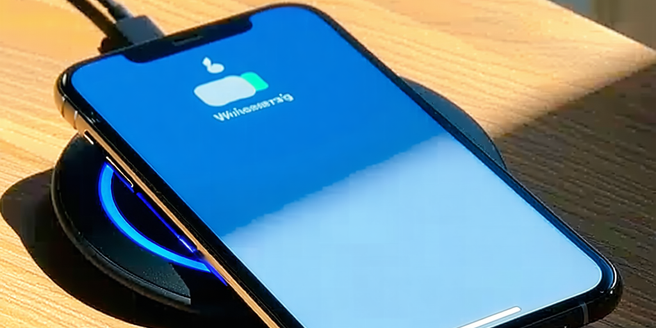
Wireless charging technology offers a convenient way to power your devices by eliminating the need for physical cables. Employing electromagnetic fields to transfer energy between a charging pad and a compatible device, it presents a futuristic solution to power management. This innovative technology uses inductive charging, where a coil in the charging pad creates an electromagnetic field. When a device with a compatible coil is placed on the pad, it receives the energy to charge its battery. Although wireless charging offers great convenience, it poses certain challenges. Charging speeds can be slower compared to traditional methods, and alignment on the pad must be precise. Nonetheless, ongoing advancements are improving efficiency, making wireless charging an increasingly popular choice for modern device users.
Key Features of Leading Charging Pads
Today’s leading wireless charging pads come packed with features that enhance user experience and charging efficiency. Many high-end models support fast charging, offering quicker power transfer rates to compatible devices. One notable feature is multi-device capability, allowing users to charge several devices simultaneously. This is particularly useful for those with multiple gadgets, like smartphones and smartwatches. Some advanced pads offer adjustable coils to ensure optimum alignment and improved charging efficiency. Safety features are also a key consideration, with overcharge protection and temperature control systems built-in to safeguard devices. Additionally, aesthetic design elements, such as sleek modern finishes and subtle LED indicators, make these charging pads a visually appealing addition to any tech setup.
Performance Tests and Results
In performance tests, wireless charging pads exhibit varying results depending on several factors. Charging efficiency greatly depends on device alignment, pad compatibility, and total energy output. Tests have shown that pads with fast charging capabilities charge devices significantly quicker than standard models. However, even the best pads exhibit a drop in efficiency when multiple devices are charged simultaneously. Consistent results show a minor energy loss due to the nature of wireless energy transfer. Nonetheless, the convenience of wireless charging outweighs these minor losses for many users. In temperature tests, most pads maintained a stable operational temperature, thanks to built-in cooling mechanisms. Overall, performance tests indicate that top-tier models deliver dependable and effective wireless charging across a range of conditions.
Advantages and Challenges of Wireless Charging
Wireless charging offers numerous advantages, such as the elimination of tangled cables and the convenience of simply placing a device on a pad to charge. It reduces wear and tear on charging ports, potentially extending device lifespan. Moreover, its sleek and cord-free design contributes to a cleaner and more organized workspace. However, there are notable challenges, including slower charging speeds compared to wired alternatives and the necessity for precise device placement on the pad. Furthermore, not all devices support wireless charging, necessitating continued reliance on cables for certain gadgets. While innovation is bridging these gaps, a universal standard for wireless compatibility is yet to be achieved, posing compatibility challenges across different brands and models.
Final Verdict and Recommendations
After evaluating various aspects of wireless charging pads, it’s evident that they provide a modern, efficient solution to device charging needs. For users valuing convenience and aesthetics, wireless pads are an excellent choice. When selecting a charging pad, consider factors like fast charging capabilities, device compatibility, and safety features. Premium models offering multi-device charging and superior build quality are recommended for tech enthusiasts with multiple gadgets. Despite minor limitations, such as slower charging speeds and the need for precise alignment, the advantages of wireless pads, including a clutter-free environment and reduced wear on charging ports, make them a worthwhile investment. In conclusion, as technology advances, wireless charging pads will likely continue to improve, offering even more benefits to users.