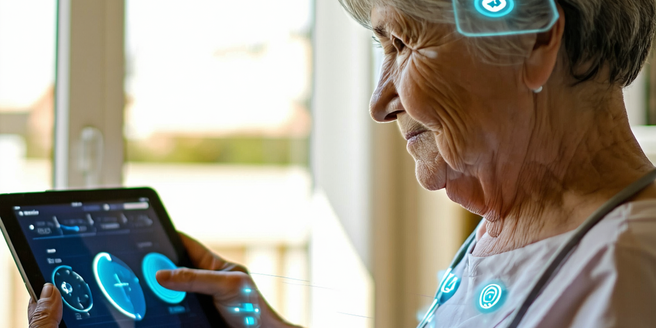
Smart Appliances: Changing Household Management

The Rise of Smart Appliances in Modern Homes

Smart appliances are revolutionizing the way we interact with our homes. With the integration of IoT technology, these appliances offer features that were previously unimaginable. From smart refrigerators that notify you when you’re low on groceries to washing machines that can be controlled via smartphone apps, the convenience and efficiency they offer are unparalleled. This shift towards technological advancement is not merely about luxury but also about creating a seamless living experience. The ability to monitor and control home devices remotely is a game-changer for many busy homeowners. Not only does this save time, but it also provides peace of mind, knowing that all systems at home are functioning smoothly. As the demand for smart homes increases, so does the variety and capability of smart appliances.

Understanding the Benefits of Smart Technology

Smart technology brings a multitude of benefits to the table, revolutionizing everyday life. One of its primary advantages is convenience. Smart appliances allow users to control home devices with ease, often through simple voice commands or smartphone applications. This level of control can lead to more efficient household operations. Additionally, smart technology enhances safety and security through features like remote monitoring and automated alerts. It provides homeowners with real-time insights into energy consumption and other utility usage, promoting more sustainable living. Furthermore, smart appliances can adapt to user preferences, learning behaviors to improve performance over time. As these technologies continue to evolve, they are becoming more accessible and intuitive, making the integration into modern homes smoother, enhancing overall quality of life for many users.

Top Smart Appliances to Consider for Your Home

When exploring smart appliances, consider the technological advancements that offer practical benefits. For instance, smart refrigerators not only keep your food fresh but provide inventory lists and alerts. Smart ovens can be preheated remotely, ensuring a seamless cooking experience. Washing machines and dryers with smart capabilities allow for scheduling and monitoring from anywhere. Vacuum cleaners and lawnmowers with smart navigation systems can maintain clean floors and tidy yards autonomously. Smart thermostats learn from your habits to optimize heating and cooling, reducing energy costs. Even light bulbs have transformed, offering custom settings and voice controls. As these appliances integrate seamlessly into daily routines, they bring both efficiency and comfort, making them worthwhile investments for those looking to enhance their home’s functionality.

How Smart Appliances Optimize Energy Efficiency

Smart appliances contribute significantly to energy efficiency, a crucial factor in modern homes. With their ability to monitor and control energy usage, these devices help homeowners reduce consumption and lower utility bills. Many smart appliances come equipped with energy-saving modes that intelligently adjust operations based on usage patterns. Refrigerators with smart technology optimize cooling and defrost cycles to minimize energy waste. Smart thermostats provide real-time feedback and remote control, ensuring efficient heating and cooling management. Similarly, smart laundry appliances adjust water and energy usage based on load size. By incorporating advanced sensors and connectivity, smart appliances allow for better energy management overall, leading to a more sustainable household. As energy efficiency becomes a top priority, the adoption of smart appliances continues to grow, supporting eco-friendly living.

Future Innovations in Smart Household Management

The future of smart household management is promising, with continuous innovation pushing boundaries. Emerging technologies like artificial intelligence and machine learning are expected to enhance smart appliances’ adaptability and efficiency. These appliances will become even more intuitive, learning from users’ habits to optimize performance. Future developments might include advanced integration between devices, creating a cohesive ecosystem where appliances communicate seamlessly for improved functionality. Enhanced voice recognition technology will enable more natural interactions and control. Innovations in smart sensors and analytics will provide deeper insights into household operations, allowing for predictive maintenance and energy optimization. Customizable automation routines will offer tailored solutions to individual lifestyle needs. As these advances unfold, smart household management will become increasingly sophisticated, offering more personalized and efficient home experiences.