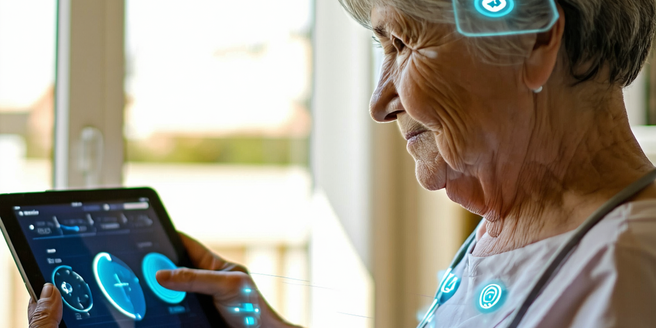
Mobile Tech In Healthcare Solutions

Revolutionizing Patient Care with Mobile Applications
Mobile applications have transformed patient care by providing instant access to medical information and health services. These applications facilitate remote consultations, ensuring patients receive timely advice without visiting healthcare facilities. Features like medication reminders, virtual health assistants, and health tracking enhance personalized care, empowering patients to manage their own health proactively. By integrating mobile apps with electronic health records, healthcare providers can quickly access patient history, improving diagnostic accuracy and treatment plans. The convenience and accessibility offered by mobile applications increase patient engagement, leading to better health outcomes. Furthermore, these innovations drastically reduce the need for in-person visits, easing the burden on healthcare systems and making care more sustainable and efficient for both providers and patients.
Enhancing Doctor-Patient Communication through Technology
The advent of mobile technology significantly enhances doctor-patient communication, breaking traditional barriers of time and distance. With the use of secure messaging apps and platforms, patients can conveniently reach out to healthcare providers, accessing professional advice almost instantly. These technologies enable real-time updates and reminders for appointments and medication adherence, fostering better interaction and trust between parties. Video consultations have become a staple, allowing doctors to conduct thorough evaluations remotely. Enhanced communication leads to more accurate diagnoses and personalized treatments while promoting an open dialogue about health concerns. Additionally, the digital exchange of information ensures privacy and confidentiality, creating a safe space for patients to discuss sensitive issues, ultimately contributing to improved healthcare experiences and outcomes.
Mobile Health Monitoring: A New Era of Diagnostics
Mobile health monitoring stands at the forefront of a new era in diagnostics, offering unprecedented insights into patient health. With the integration of sensors and wearable technology, patients can collect and transmit real-time health data to their doctors, facilitating early detection of potential health issues. These advancements enable continuous monitoring of vital signs, activity levels, and other crucial health metrics, providing a comprehensive view of a patient’s condition outside conventional clinical settings. Healthcare providers can use this data to spot trends, tailor treatments, and enhance predictive analytics, contributing to more accurate and timely interventions. This seamless flow of information between patients and providers revolutionizes the diagnostic process, empowering individuals with knowledge and control over their health, and reducing the risk of preventable complications.
Data Security Challenges in Mobile Healthcare Solutions
As mobile healthcare solutions proliferate, ensuring data security becomes a paramount concern. Patient data is incredibly sensitive, requiring robust protection against unauthorized access and breaches. Mobile devices, while convenient, are vulnerable to cyber threats, which can compromise patient privacy and trust. Encrypting health data, implementing strong authentication methods, and ensuring secure data transmission are critical measures to defend against these risks. Healthcare providers must also comply with regulatory standards, like HIPAA, to safeguard information integrity. Regular security assessments and employee training on data protection can mitigate potential threats. By prioritizing data security, mobile healthcare solutions can maintain patient confidentiality, fostering confidence in technology’s role in healthcare delivery and supporting the broader adoption of digital health tools.
The Role of Wearables in Modern Healthcare
Wearable technology is transforming modern healthcare by providing continuous, real-time health monitoring. Devices such as smartwatches and fitness trackers collect vast amounts of data, including heart rate, sleep patterns, and physical activity, offering valuable insights into an individual’s health. This information empowers users to make informed lifestyle changes while enabling healthcare providers to tailor treatment plans based on up-to-date data. Furthermore, wearables play a crucial role in preventive healthcare by alerting individuals to potential health issues before they escalate. By facilitating remote monitoring, wearables also enhance chronic disease management, reducing the need for frequent in-person visits. As these devices become more sophisticated, they hold the potential to revolutionize healthcare delivery, making it more personalized and proactive, ultimately improving patient outcomes and quality of life.
Future Trends in Mobile Technology and Healthcare
The future of mobile technology in healthcare holds exciting prospects, promising to further revolutionize the sector. Advances in artificial intelligence (AI) and machine learning are set to enhance diagnostics, offering more precise and personalized treatment options. The integration of Internet of Things (IoT) devices will further expand remote healthcare capabilities, allowing seamless data collection and analysis. As 5G networks become ubiquitous, they will enable faster and more reliable communication, enhancing the capabilities of telemedicine and mobile health services. Blockchain technology also shows promise in securing patient data and ensuring transparent and immutable health records. These trends indicate a shift towards more connected, efficient, and patient-centered care models, enabling healthcare systems to become more responsive to the needs of populations worldwide, ultimately fostering healthier communities.