
Comparison Of Ipad And Android Tablets
The design and build quality of iPads and Android tablets significantly affects user satisfaction, with iPads known for their sleek aluminum build and consistent user experience, while Android tablets offer diverse designs and materials. Screen quality is crucial, with iPads featuring Retina displays for high color accuracy, and Android tablets offering varied resolutions, sometimes rivaling Apple's quality. Performance-wise, iPads boast powerful A-series chips for multitasking, whereas Android tablets have a range of processors catering to different needs, often providing customizable hardware options. The operating system experience differs, with iPads offering stable iOS and consistent updates, while Android provides a customizable interface. Regarding app ecosystems, iPads benefit from optimized apps on the App Store, while Android provides variety through the Google Play Store, though app quality may vary due to device differences. Both platforms aim to cater to different user preferences, offering a range of capabilities and experiences.

Antivirus Solutions For Home Offices
Antivirus software is essential in today's digital landscape to protect against malware, viruses, and cyber threats, especially with the increase in remote work. Effective antivirus solutions provide real-time scanning, comprehensive malware removal, and automatic updates, ensuring minimal system impact while offering multi-layered protection. Top options like Norton 360, Bitdefender Total Security, Kaspersky Internet Security, and McAfee Total Protection cater to various needs by balancing protection, budget, and features for home offices. For optimal antivirus performance, download from official sources, ensure compatibility, follow installation instructions, and keep the software updated. Crucial digital security practices include updating software, using strong passwords, enabling two-factor authentication, and regular data backups. Stay informed about cyber threats to maintain security alongside robust antivirus tools.

Citizen Cz Smart Analysis
The Citizen Cz Smartwatch brings together modern elegance and cutting-edge technology, offering a stylish yet functional wearable. Its advanced features, such as activity tracking, notifications, and customizable watch faces, alongside a user-friendly interface, make it ideal for tech enthusiasts and newcomers alike. The watch's robust construction and water resistance enhance its durability. Key highlights include a high-resolution display, powerful processor, GPS, cellular connectivity, and a comprehensive health suite. It competes with industry giants like Apple and Samsung, offering a balance of traditional design and advanced features. With seamless integration with Android and iOS devices and competitive pricing, the Citizen Cz Smartwatch is a compelling choice for those seeking innovation without sacrificing classic aesthetics.

Screen Filters For Eye Protection
Screen filters offer significant benefits by reducing the harmful effects of extended digital screen exposure. They include anti-glare, blue light reduction, and privacy filters. Anti-glare filters minimize reflections and eye strain, ideal for bright settings. Blue light filters reduce exposure to high-energy visible light, mitigating eye fatigue and sleep disruptions. Privacy filters protect sensitive information in office settings by preventing side views. By addressing glare, blue light, and brightness, screen filters enhance visual comfort and eye health. Specific technologies offer distinct benefits, with anti-glare diffusing light, blue light filters blocking emissions, and privacy filters narrowing viewing angles. Choosing the appropriate filter depends on personal needs and screen usage, with combination filters available for comprehensive solutions. Screen filters are easy to install and maintain, using clips or adhesive strips, and users report notable improvements in eye comfort and reduced strain, headache relief, and better sleep quality.

Note Synchronization Tools
Note synchronization tools are vital for individuals needing real-time data updates across multiple devices. Essential for personal and professional organization, these tools, such as Evernote, OneNote, and Google Keep, ensure seamless access to notes, providing features like tags, folders, and reminders. Key aspects to consider when choosing these tools include real-time syncing, cross-platform compatibility, security measures like end-to-end encryption, user-friendly interfaces, offline access, and customizable options. Popular tools vary by platform: Evernote and OneNote offer extensive features for all devices, Google Keep integrates with Google's ecosystem, and Apple Notes fits well within Apple's environment. Security remains crucial, with a focus on encryption, privacy policies, and two-factor authentication. To enhance efficiency, maintain stable internet connections, organize notes, and optimize storage. Regular updates are necessary for the latest features and security improvements.

Collaboration Software For Legal Teams
Understanding the needs of legal teams is crucial to selecting the right collaboration software. Legal professionals require tools that ensure secure communication, effective document management, and seamless task tracking. Software must be adaptable to fit unique workflows and comply with industry data protection standards. Essential features include secure file sharing, integration with existing systems, robust search capabilities, and real-time communication tools. The use of collaboration tools boosts efficiency by enabling flexible work arrangements and enhancing client relationships. Top software options for legal firms like Clio, NetDocuments, MyCase, PracticePanther, and Legalboards cater to various operational needs, from document storage to workflow management. Implementing these tools successfully demands thorough planning and training to align with firm objectives and improve client outcomes. Future trends in legal collaboration focus on automation and AI to further streamline operations and enhance analytical insights.
Digital Marketing Tactics With Ai
AI in digital marketing is revolutionizing the industry by enabling quick data analysis, enhancing decision-making, and optimizing strategies. Machine learning helps marketers predict consumer behavior, personalize content, and automate tasks, leading to effective campaigns and higher engagement. Tools like chatbots and recommendation engines improve customer interactions and provide real-time analytics for agile marketing. Integrating AI tools into marketing strategies can streamline processes like content curation and ad targeting, offering insights that may be missed by humans. AI enhances customer experience with personalized interactions, 24/7 support from AI-driven chatbots, and tailored recommendations. In content creation, AI optimizes for search engines and enables large-scale personalization, saving time for creators. For data analysis, AI turns complex datasets into actionable insights, aiding in precise market strategies. Leveraging AI is key to staying competitive, adapting to market changes, and fostering growth in digital marketing.

Connected Wearable Devices
Connected wearable devices, such as fitness trackers and smartwatches, are transforming interactions with digital worlds by offering constant connectivity and data tracking, leading to informed lifestyle choices. Evolving from basic devices like pedometers to advanced gadgets with artificial intelligence, wearables now track complex biometrics and sync data across platforms. Key features include biometric sensors, connectivity, and enhanced analytics, allowing users to monitor health metrics and access notifications conveniently. Leading brands like Apple, Fitbit, Samsung, and Garmin offer a variety of devices tailored to different lifestyles. Challenges such as data security, accuracy, battery life, and compatibility need addressing for broader adoption. The future promises advancements in artificial intelligence, smarter health monitoring, subtle wearables, and potential integration with augmented reality, expanding the role of wearables in daily life.
Analysis Of Smartwatch Market Trends
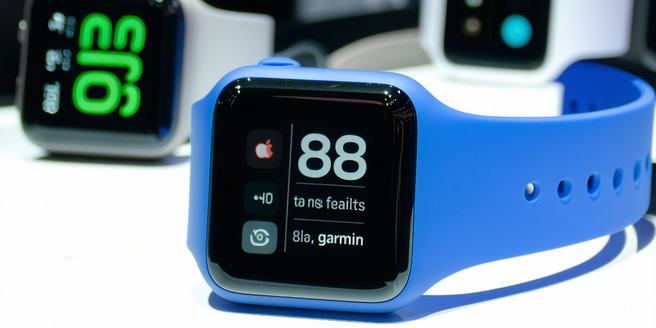
The smartwatch market is experiencing rapid growth, driven by technological advancements, increased health awareness, and smartphone integration. Key markets include Asia Pacific and North America, with leading companies like Apple, Samsung, and Garmin dominating the landscape. Emerging competitors from China such as Huawei and Xiaomi offer cost-effective alternatives. Innovative features such as health monitoring, IoT connectivity, and payment systems boost consumer appeal. However, challenges like data security, regulatory compliance, and battery limitations persist. Future growth opportunities lie in AI personalization, medical-grade health monitoring, and 5G connectivity, along with sustainability efforts and new IoT applications.

Online Calendar Tool Benefits
Optimize your scheduling process with an online calendar tool that centralizes appointments, meetings, and deadlines. These tools offer intuitive interfaces, email integration, and features like automated reminders and shared access. Enhance team collaboration by viewing colleagues' availability and syncing schedules in real-time, which fosters seamless communication. Boost productivity and time management by organizing tasks, setting priorities, and using integrated task management features. Online calendars also seamlessly integrate with various digital tools, offering API support for customized workflows. Customizable options allow users to tailor features such as color-coded categories and personalized views to fit individual needs, enhancing both efficiency and user experience.
Gaming Accessories For Tablet Users
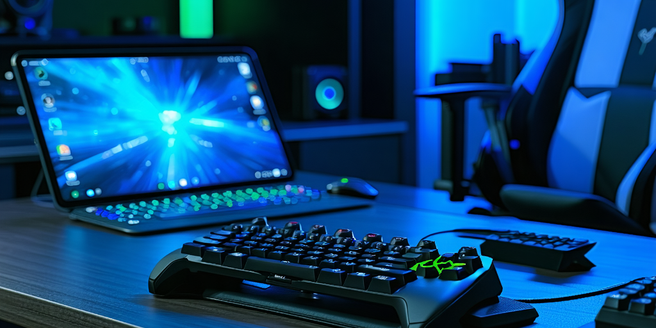
Investing in quality gaming accessories enhances the gaming experience by providing a competitive edge, improving performance, and ensuring durability. High-end controllers compatible with tablets, like those from SteelSeries and Razer, offer precision and traditional gaming feel, while headsets from HyperX and Bose deliver immersive audio. Ergonomic stands and mounts help reduce strain during long gaming sessions, and responsive styluses from Adonit and Wacom improve control in touchscreen games. Quality gaming gear minimizes discomfort, offers customization, and keeps up with technological advancements, making them essential for serious gamers who value precision, comfort, and a superior gaming experience.

Pet Monitoring Systems
Pet monitoring technology provides invaluable tools for pet owners to ensure the safety and well-being of their pets while they are away from home. With features such as live streaming, motion detectors, and environmental sensors, these systems offer real-time updates and alerts, allowing owners to monitor their pets remotely. Two-way audio communication allows for interaction with pets, easing anxiety for both parties. Benefits include monitoring behavior, promptly addressing emergencies, and enhancing overall quality of life for pets and owners. Important features to look for in pet monitors include high-definition video, night vision, motion detection, two-way audio, and mobile app integration. Choosing the right system involves considering your home layout, your pet's specific needs, and the system's user-friendliness. Real-life success stories show the impact of pet monitors in identifying health issues, correcting behavior, and improving household security, positioning them as essential tools for modern pet care.