Comparison Of Ipad And Android Tablets
Design and Build Quality: Aesthetic and Ergonomic Considerations
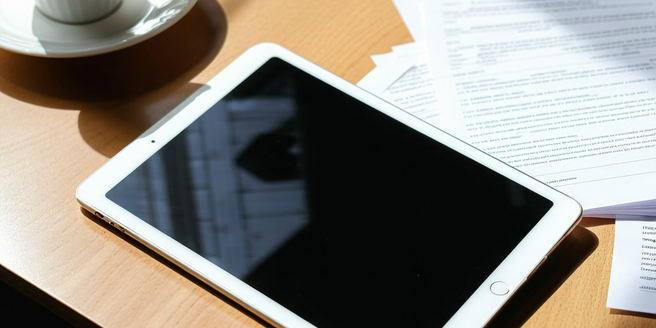
The design and build quality of iPads and Android tablets significantly contribute to user satisfaction. Apple’s iPad is renowned for its sleek aluminum chassis, delivering a premium feel and sturdy build, which not only enhances aesthetics but also ergonomics. The uniformity in design language ensures a consistent user experience across different models. In contrast, Android tablets offer a diverse range of designs due to the multitude of manufacturers involved. This results in varied build quality and materials, from high-end metal and glass finishes to more budget-friendly plastics. While some Android tablets match or even surpass the iPad’s elegance, others focus on cost-efficiency. Ergonomically, both systems strive to provide comfortable handling, though Apple’s standardized design offers predictable ease of use, while Android’s variety can cater to unique user preferences.
Display Technology: Comparing Screen Quality and Resolution
Screen quality is a crucial factor for evaluating tablets, as it directly impacts media consumption and productivity tasks. iPads typically feature Retina displays, known for their precise color accuracy and impressive brightness levels, making them ideal for tasks requiring high detail and clarity. On the other hand, Android tablets vary broadly, with some models offering equally competitive high-resolution AMOLED or LCD screens. These can provide deep contrasts and vivid colors, suitable for users focused on multimedia experiences. While some Android tablets rival Apple’s Retina quality, others opt for lower-resolution screens to maintain affordability. Ultimately, both platforms strive to deliver a balanced viewing experience, but Apple’s consistency in high-end display technology often results in a more uniform quality standard.
Performance and Hardware Specifications: Speed and Efficiency
When it comes to performance and hardware, both iPads and Android tablets offer competitive options, though they cater to different priorities. The iPad’s strength lies in its powerful A-series chips, which combine unprecedented speed with remarkable energy efficiency. This allows for smooth multitasking and robust app performance. On the Android side, tablets are equipped with a variety of processors from manufacturers such as Qualcomm and MediaTek, providing a range of performance levels—often matching Apple’s prowess at premium levels but varying in budget devices. The hardware configurations differ as well, with Android tablets generally offering more customizable options like expandable storage. Apple’s approach tends to focus on seamless integration and optimized hardware-software synergy, ensuring maximum efficiency across its ecosystem.
Operating System and User Experience: iOS vs. Android
The operating system is integral to the overall tablet experience, defining usability and support. iPads run on iOS, offering a user-friendly interface known for its stability and aesthetic appeal. Frequent updates enhance security and introduce new features, delivering a consistent experience across devices. In contrast, Android tablets offer a more customizable OS, with flexibility to personalize the home screen and settings. However, the user experience can vary greatly between manufacturers and models. Software updates are dependent on the manufacturer, resulting in a delayed rollout for many devices. While iOS offers a cohesive and reliable user experience, Android provides versatility, allowing users to tailor their interface to individual preferences. Both systems have their strengths, appealing to different user priorities.
App Ecosystem and Software Support: Availability and Variety
The app ecosystem is vital for any tablet user, influencing productivity and entertainment options. Apple’s App Store boasts a highly curated selection of apps optimized for iPads, ensuring quality and performance. With a strong emphasis on exclusive applications, users often find iPad-specific apps that leverage the hardware capabilities. On the other hand, Android’s Google Play Store offers a broader array of apps, providing users with ample options ranging from niche solutions to mainstream favorites. However, app quality and optimization can be inconsistent due to the diversity of devices and screen sizes. In terms of software support, Apple’s tight integration often ensures longer support cycles for its devices, while Android’s open nature results in variable support times. Ultimately, both platforms offer vast app ecosystems, catering to a wide spectrum of user needs.