
Green Tech Solutions
Green technology is rapidly advancing, focusing on sustainability by reducing environmental impacts through innovative products, processes, and policies. Key trends include developments in solar and wind energy, efficient battery storage, and the rise of smart grids and IoT devices for improved energy distribution. Global governmental policies are supporting green tech investments, driving business innovation towards a cleaner environment. In renewable energy, advancements like perovskite solar cells and floating wind farms, alongside improved smart grid integration and battery storage, are crucial for reducing fossil fuel reliance. In transportation, electric vehicles and solar-powered charging stations are paving the way for eco-friendly options, while public transport embraces electric and hybrid solutions. Sustainable agriculture is enhanced by techniques like permaculture and technology such as precision farming, fostering food security and ecosystem health. Energy-efficient home solutions, including insulation, smart thermostats, and renewable energy sources like rooftop solar panels, reduce energy use and costs, promoting sustainable living. The industrial sector is transforming with energy-efficient technologies, IoT, machine learning, and circular economy initiatives, driven by economic and environmental benefits, heralding further green advancements in industry.

E-sports Platforms And Streaming Technologies
E-sports platforms have experienced significant growth due to advancements in technology, increased global interest in competitive gaming, and a surge in the number of gamers. Leading platforms such as Twitch, YouTube Gaming, and Facebook Gaming serve as cultural hubs where players and fans interact in real-time. These platforms are not only venues for professional gaming but also foster community building and engagement, offering features that traditional sports struggle to match. Streaming technology is crucial in this environment, offering high-quality, low-latency broadcasts and interactive elements like live chat and multiple camera angles, enhancing the viewer experience. Platforms compete on features, user experience, and audience interaction, with Twitch known for community-driven content, YouTube Gaming for integrated video experiences, and Facebook Gaming for its social media integration. As digital interactions become increasingly important, E-sports platforms are poised to continue evolving, with potential innovations such as virtual and augmented reality set to create even more immersive viewing experiences.

Alcatel 3t Impressions
The Alcatel 3t offers a modern aesthetic with a lightweight, durable plastic build and matte finish that minimizes fingerprints. It features a clear display with adequate brightness and color accuracy, ideal for everyday use despite struggling in direct sunlight. The intuitive Android-based user interface ensures fluid navigation, though customization options are limited. Performance is sufficient for basic tasks, with commendable battery life lasting a full day under normal use. The camera is designed for capturing everyday moments, performing well in good lighting but struggling in low light. The device offers essential software features with minimal bloatware for a smooth user experience. Positioned as an affordable option, the Alcatel 3t targets budget-conscious consumers seeking practicality and reliability. It is available through various retail channels.

Evolution Of Streaming Services
The transition from physical to digital media in the early 2000s, marked by the rise of downloads and digital marketplaces, drastically changed consumer behavior, leading to the dominance of pioneers like iTunes and the evolution of sophisticated streaming services. Streaming giants such as Netflix revolutionized media consumption with subscription-based on-demand content, prompting competitors like Amazon Prime Video and Disney+ to innovate. The advent of streaming has allowed platforms to cater to niche audiences, delivering diverse content that embraces multiculturalism. Technological advancements have enhanced user experience, offering high-definition quality, personalized recommendations, and accessibility through multiple devices. Global expansion of streaming services has bridged cultural gaps, enabling the cross-cultural exchange of stories and ideas, boosting local content production and fostering international recognition and economic opportunities for creators.

Inclusions In Wearable Tech Accessibility
Wearable tech accessibility aims to make devices like smartwatches and fitness trackers usable for individuals with various abilities, focusing on visual, auditory, and tactile feedback. Overcoming challenges such as balancing functionality and adaptability is essential. Innovations like voice-activated commands, AI-driven personalization, and haptic feedback are enhancing inclusivity. Policies and standards, including international guidelines, play a crucial role in guiding accessible design. Future trends in accessibility technology feature artificial intelligence, biometric innovations, open-source collaboration, and augmented reality, promising more immersive and personalized experiences in wearable tech.

Nanotechnology Applications
Nanotechnology is revolutionizing multiple fields by providing groundbreaking solutions and advancements. In drug delivery systems, it enables precise targeting, enhances treatment efficacy, and reduces side effects by using nanoparticles for targeted medicine delivery, particularly aiding cancer treatment. In electronics and computing, it contributes to the development of smaller, faster, and more efficient devices through nanoscale transistors and flexible electronics, further supporting Moore's Law. Nanotechnology also assists in environmental remediation by using nanomaterials to effectively remove pollutants from water, air, and soil. In the energy sector, nanostructures improve solar energy conversion and storage, advancing sustainable energy solutions. Furthermore, in modern medicine, nanomaterials facilitate innovative approaches for diagnosis and treatment, including improved imaging techniques and regenerative medicine applications. These advancements make nanotechnology a key player in driving progress across various industries.
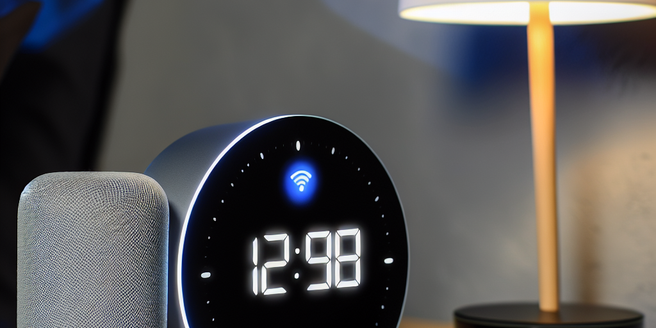
Smart Alarm Clocks
Smart alarm clocks offer advanced features beyond traditional alarms, integrating with smart home devices to control lights, thermostats, and more. They support voice control for setting alarms or checking the weather and come with customizable alarm tones. Many include sleep tracking capabilities and a gradual sunrise simulation to enhance waking experiences. Benefits include tailored alarm settings, smart home integration for enhanced convenience, sleep tracking for improved sleep quality, and smartphone app control. Top models, such as the Amazon Echo Spot and Philips Wake-Up Light, vary in features, making feature prioritization essential when choosing one. Integration with home systems enhances daily routines, while future trends suggest advancements in AI and increased health app interoperability. Choose a smart alarm clock based on personal needs, budget, and desired features for the best experience.

Portable Ssds For Fast Access
Portable SSDs harness NAND flash memory for faster data access and superior performance compared to mechanical drives. They excel in speed and durability due to the absence of moving parts, making them reliable for users. Available with various interfaces like USB-C and Thunderbolt, they are mostly plug-and-play, compatible with Windows, macOS, and Linux, and suit different connectivity needs. Key benefits include unparalleled speed, portability, durability, energy efficiency, and silent operation, making them ideal for data storage on the go. When comparing to traditional hard drives, SSDs offer faster read/write speeds, greater resilience, and quieter, lighter designs, though they are generally pricier. Choosing the right portable SSD involves evaluating storage capacity, speed, connectivity, durability, and price. Top models of 2023 include Samsung's T7 Touch, Western Digital My Passport SSD, SanDisk Extreme Portable SSD, Crucial X8, and Seagate One Touch SSD, each offering standout features.

Robust Laptops For Field Work
Discover the best durable laptops for field use, designed to withstand harsh environments with features like reinforced magnesium alloy chassis, shock-mounted drives, and sealed keyboards resistant to dust and moisture. Sunlight-readable displays and optimized battery life make them ideal for outdoor tasks. Leading brands like Panasonic, Dell, Getac, Durabook, and Lenovo offer unmatched reliability in their rugged laptop lines. Battery life is extended with energy-efficient processors and dual battery setups, crucial for locations with limited power access. Essential software tools for field operations enhance productivity, including GIS, inventory management, and secure communication platforms. Balancing performance and durability, these laptops integrate robust materials and high-performance components, ensuring reliable operation in extreme conditions.

Cybersecurity Threats In Digital Health Systems
Digital health systems, including Electronic Health Records (EHRs), telemedicine, and mobile apps, are transforming patient care by facilitating seamless data exchange and providing crucial health insights. However, they also pose significant security challenges. Protecting patient data from breaches is vital to avoid severe consequences. Common cyber threats in healthcare include ransomware, phishing, and vulnerabilities in outdated systems. Robust cybersecurity measures, such as employee training and strong access controls, are essential to safeguarding data. Data breaches can compromise patient privacy, leading to identity theft and loss of trust. Emerging technologies like IoT, AI, and blockchain offer benefits but also introduce new security challenges. A comprehensive approach to strengthening cyber defenses involves regular audits, multilayered security, and fostering a culture of security awareness. As digital health systems advance, continuous investment in cybersecurity infrastructure is critical to maintaining trust and ensuring data protection in healthcare operations.

Popular Brands In Noise-canceling Headphones
Noise-canceling technology improves the listening experience by using built-in microphones and advanced circuitry to create anti-noise signals, effectively blocking ambient sound. This technology is critical for providing distraction-free music and podcast listening environments. Two primary types of noise-cancelation exist: active, which generates opposing sound waves, and passive, which uses physical barriers like padded ear cups. With remote work on the rise, noise-canceling headphones are increasingly essential. When selecting these headphones, consider features like battery life, comfort, design, sound quality, connectivity, and additional functions such as ambient sound modes and built-in voice assistants. Leading brands in this market include Sony, Bose, and Sennheiser, each known for their innovation and commitment to sound quality. Sony excels with adaptive sound control, AI noise-canceling, and battery life innovations. Bose is renowned for Acoustic Noise Canceling technology, offering life-like sound and adjustable noise levels. Sennheiser stands out for premium audio quality and features like Audio-Transparent mode, which balances immersive sound with environmental awareness.

Ai-powered Tools For Collaboration
The integration of AI in collaborative workspaces is revolutionizing team dynamics by enhancing communication, streamlining project management, and facilitating virtual collaboration. AI technologies automate routine tasks, analyze data, and improve decision-making, allowing teams to focus on creativity and innovation. AI tools enhance communication by breaking language barriers, offering intelligent chatbots, and providing insights into team dynamics. In project management, AI optimizes resource utilization and predicts potential delays, ensuring projects are delivered on time. For virtual teams, AI-driven solutions enable seamless interaction and meeting management. As AI progresses, future trends aim toward more personalized, intuitive, and integrated collaborative platforms, promising greater efficiencies and breakthroughs in team productivity.