
Ai In Precision Agriculture
Precision agriculture is revolutionizing farming by using GPS, remote sensing, and IoT technologies to optimize crop growth while minimizing environmental impact. This method enables data-driven decisions for resource-efficient farming, enhancing productivity and sustainability. AI integration further elevates precision agriculture, automating complex tasks and providing real-time insights for improved decision-making. AI-driven tools boost efficiency by accurately managing resources like water and fertilizers, aiding in tasks like planting and harvesting, and offering predictive analytics for better crop management. Despite challenges such as high costs and skill gaps, solutions like financial incentives and training can facilitate AI adoption. Case studies show AI significantly enhances crop yields and sustainability, optimizing resource use and increasing profitability. Looking forward, innovations such as blockchain and autonomous machinery represent the next frontier in AI-powered farming, promising greater traceability, precision, and efficiency.
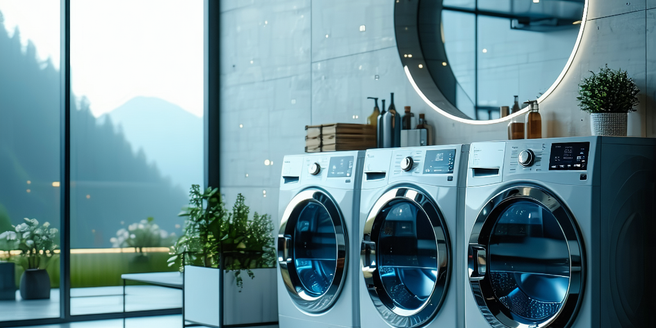
Smart Appliances: Changing Household Management
Smart appliances are transforming modern homes by integrating IoT technology for unparalleled convenience and efficiency. These appliances, from smart refrigerators to washing machines, allow remote monitoring and control, saving time and providing peace of mind for busy homeowners. Smart technology enhances convenience, safety, and energy efficiency through features like voice commands, remote monitoring, and automated alerts. It promotes sustainable living by offering real-time insights into energy usage and adapts to user preferences for optimal performance. Top smart appliances to consider include smart refrigerators, ovens, washing machines, and thermostats, which enhance functionality and comfort. These devices help reduce energy consumption with innovative energy-saving modes and intelligent usage adjustments. The future holds even more promise with advancements such as AI and machine learning, leading to enhanced adaptability and smarter household management. As technology continues to evolve, smart appliances will increasingly become integral to efficient and sustainable living.

Ai In Creative Industries
AI is revolutionizing the creative fields of art, design, music, film, animation, writing, and publishing by providing advanced tools that enhance efficiency and creativity. In art and design, AI aids in rapid prototyping and automated tasks, allowing for new art forms and collaboration between humans and machines. In music, AI enhances production by suggesting compositions and optimizing sound quality. In film and animation, AI streamlines production processes and enhances storytelling through realistic visual effects and character animations. In writing and publishing, AI supports content creation and distribution while offering insights into audience preferences. As AI technology evolves, it continues to redefine the balance between machine assistance and human creativity, promising unprecedented innovation and creative possibilities.

Tablet Os Comparisons: Ios Vs. Android
iOS and Android tablet operating systems are distinct in their offerings, providing unique features and user experiences. Apple's iOS focuses on efficiency and simplicity, with deep ecosystem integration and a curated selection of high-quality apps. Android, developed by Google, is known for its flexibility and customization, supporting a broad range of devices from various manufacturers and offering an extensive app selection on the Google Play Store. When it comes to user interface and experience, iOS is recognized for its sleek and consistent design, while Android caters to personalization desires. In terms of app availability, iOS assures high-quality, optimized experiences, whereas Android offers diversity with an open-source platform. Security-wise, iOS prioritizes privacy with a controlled ecosystem, while Android enhances security yet offers customization. In performance, iOS benefits from hardware-software integration for optimized operation, while Android provides a variety of device choices, resulting in varying performance.

Renewable Energy Through Tech
Technological advancements are rapidly transforming renewable energy sources, making them more efficient and accessible. In solar power, innovations like photovoltaic and perovskite solar cells, alongside AI and smart grids, enhance energy conversion and integration, reducing carbon emissions and combatting climate change. Wind energy benefits from improvements in turbine design, including longer blades and smart sensors, which boost efficiency and lower costs, particularly in offshore settings. Geothermal technology has evolved with advanced drilling techniques and closed-loop systems, broadening resource access and reducing environmental impact. The implementation of smart grids allows for seamless integration and management of renewable energy, optimizing supply and enhancing grid resilience. Emerging biomass technologies, such as anaerobic digestion and gasification, convert organic materials into energy, supporting sustainability and rural development. Together, these advancements in renewable technology pave the way for a cleaner, more sustainable energy future.
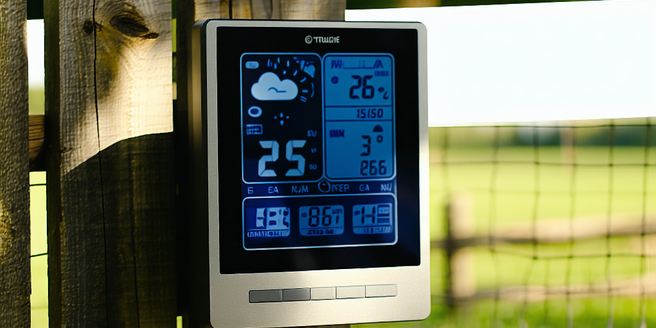
Compact Weather Stations
Compact weather stations are essential tools for collecting localized weather data, crucial in areas with limited access to large-scale weather services. They integrate sensors to provide real-time data on temperature, humidity, wind speed, and more. Ideal for farmers, researchers, and hobbyists, they enhance decision-making in agriculture, construction, and disaster management. Key features to consider include sensor accuracy, wireless connectivity, durability, and power options. Proper installation and maintenance ensure optimal performance, while market options like Davis Instruments and AcuRite offer various features and price points. Real-life applications span agriculture, education, urban planning, and outdoor activities, providing valuable weather insights and enhancing environmental resilience.
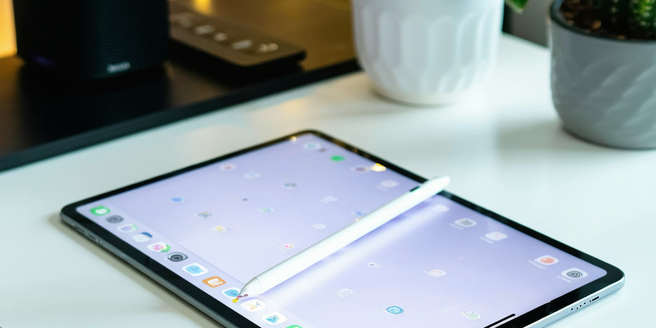
Best Gadgets For Remote Work
Optimize your remote work setup with essential ergonomic desk accessories, communication tools, virtual collaboration tech, productivity-boosting software, portable devices, and smart gadgets. Invest in adjustable monitor stands and ergonomic chairs for comfort, and equip your office with must-have tools like video conferencing apps, instant messaging platforms, and project management software for seamless team communication. Enhance virtual collaboration with reliable technology, including high-quality webcams and cloud-based solutions. Boost productivity with task management apps and automation tools. For on-the-go professionals, portable devices like lightweight laptops and noise-cancelling headphones are indispensable. Elevate your home office with smart gadgets such as smart speakers and lighting systems, creating a workspace that enhances both convenience and efficiency.

Iot In Healthcare
The Internet of Things (IoT) is rapidly transforming healthcare by connecting devices and systems to improve data collection, management, and analysis. This innovation enables remote patient monitoring, reduces human error, and enhances personalized care. IoT benefits both patients and providers by allowing continuous health monitoring, improving clinical decision-making, and optimizing operations. However, its implementation faces challenges such as security risks, interoperability issues, and the need for substantial investment and training. Key IoT technologies like wearables, smart sensors, telemedicine, and AI are pivotal in this transformation, enhancing patient experiences and boosting healthcare efficiency. Successful IoT applications have shown improvements in patient outcomes and operational costs, with ongoing innovations promising further advancements in healthcare delivery.

Innovations In Noise-canceling Headphones
Noise-canceling technology uses microphones and digital signal processors to create anti-noise signals that cancel out ambient noise. Initially used in aviation, active noise-canceling (ANC) headphones have evolved into a consumer staple, offering focused audio experiences by blocking background noise. Since their development in the 1950s for pilots, noise-canceling headphones have become more compact, wireless, and affordable, with recent models offering adaptive noise cancellation and long battery life. Major brands like Sony, Bose, and Apple lead the market, while others like Anker offer affordable options. These headphones provide real-world benefits, enhancing travel, work, and study environments by reducing distractions and promoting hearing health.

Foldable Smartphones: Future Or Fad?
Foldable technology is transitioning from novelty to a fast-growing segment in consumer electronics, driven by advancements in flexible displays and innovative materials. These devices offer large, intuitive screens in compact forms, appealing to consumers seeking enhanced functionality in smartphones, tablets, and laptops. Key players like Samsung, Huawei, and Motorola are leading the market with cutting-edge offerings, pushing competition and innovation forward. While foldables present benefits like multitasking capabilities and premium specifications, they face challenges in durability and pricing. Despite mixed consumer reception, interest in foldables is growing, particularly among tech enthusiasts. As technology evolves and costs potentially decrease, foldables are expected to gain broader acceptance, shaping the future of mobile technology.

Ergonomic Chairs For Comfort
Understanding ergonomics is essential for optimizing workplace design to meet the physical needs of employees, enhancing comfort, well-being, and productivity. Implementing ergonomic principles helps reduce musculoskeletal disorders and improve efficiency. Ergonomic tools and furniture, such as chairs and desks, are crafted to minimize body strain and prevent injuries. Ergonomic chairs feature key elements like adjustability, lumbar support, and breathable materials, which enhance comfort and support health, making them ideal for long sitting periods. Top ergonomic chair models, such as the Herman Miller Aeron and Steelcase Leap, offer innovative design and high comfort, promoting proper posture and health. Selecting the right ergonomic chair requires understanding your needs and focusing on features like adjustability, comfort, and mobility. Ergonomic chairs can significantly impact health by promoting better posture and reducing risks of pain associated with long sitting, contributing to improved productivity and well-being.

Mental Health Tech Tools
Explore how technology is transforming mental health care with apps, wearable devices, virtual reality, teletherapy platforms, and AI chatbots. Anxiety relief apps offer guided meditation, mindfulness exercises, and personalized experiences for managing stress on-the-go. Wearable devices provide real-time insights into stress levels, helping users make informed lifestyle changes with integrated relaxation techniques. Virtual reality facilitates mindfulness, relaxation, and exposure therapy, offering immersive environments for mental wellness. Teletherapy platforms offer accessible and flexible therapy from home, though they may present challenges like building rapport. AI chatbots provide immediate emotional support using natural language processing, offering coping strategies and advice, albeit with limitations in empathy and privacy concerns. These technologies are reshaping mental health support, enhancing accessibility, personalization, and effectiveness.