
Ai-based Predictive Text
Predictive text technology is designed to enhance typing speed and efficiency by predicting the next word based on statistical language modeling. This system analyzes typing history and context, utilizing large datasets to learn language patterns, thus anticipating user input more accurately. AI algorithms, particularly those utilizing neural networks, further enhance predictive text capabilities by understanding context and usage patterns, leading to more precise predictions. Beyond smartphone use, predictive text has applications in customer service, healthcare, marketing, and education, offering personalized communication and productivity tools. However, challenges such as privacy concerns, bias, and potential language skill dependency remain. Future innovations will focus on improved contextual understanding and personalization while addressing these challenges, promising refined and new applications.

Earbuds With Fast Charging Capabilities
Fast charging technology in earbuds is revolutionizing the way users experience audio devices, offering hours of playtime with just a brief charging period. Advanced battery engineering and power management systems play a critical role in enabling quick energy top-ups safely. With top brands like Apple, Samsung, and Sony leading the market, consumers have access to earbuds that can significantly reduce downtime and enhance portability. The convenience of rapid charging makes it ideal for busy lifestyles and on-the-go usage, providing seamless transitions back to music or calls. To maximize battery life and performance, users should follow best practices such as avoiding full discharges and using recommended chargers. When shopping for earbuds with fast charging, consider factors like charging time, battery life, safety features, and compatibility with charging equipment to ensure an optimal listening experience.

Fitness Trackers Evolution
Fitness trackers, rooted in the 1960s pedometer, gained popularity in the late 20th and early 21st centuries, evolving from simple step counters to sophisticated devices through technological advancements. Modern trackers feature sensors for heart rate, sleep patterns, and GPS, with seamless smartphone connectivity enhancing user experience. Data analytics plays a crucial role, transforming raw data into actionable health insights, enabling personalized recommendations and preemptive health measures. Key market leaders like Fitbit, Apple, Garmin, Samsung, and Xiaomi drive innovation with diverse product offerings. Fitness trackers have significantly influenced health and lifestyle by encouraging active, health-conscious living, motivating users to set and achieve fitness goals through real-time feedback and gamified challenges.
Essential Platforms For Remote Studios
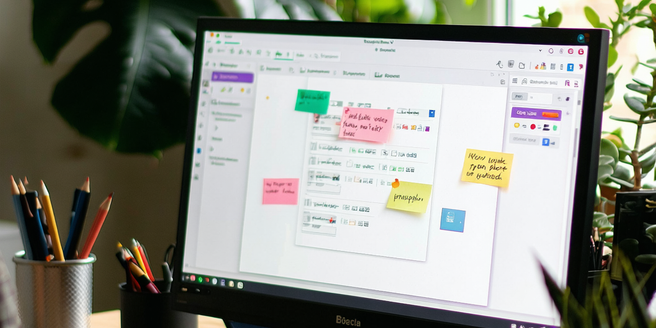
For effective remote collaboration, select software that supports real-time editing, feedback, and seamless file-sharing. Prioritize ease of use, integration, and strong security features. Consider trial versions and user reviews to assess suitability. Top communication tools for virtual meetings should offer quality video conferencing, screen sharing, and intuitive interfaces, with security and integration features. Secure file sharing solutions should have encryption, version control, and the ability to handle large files efficiently. Project management platforms should facilitate task assignment, deadline tracking, and real-time analytics. Cloud-based storage solutions need high capacity, redundancy, compatibility, and robust access controls to handle large media files efficiently.

Project Management Software For Team Efficiency
Team efficiency is critical for maximizing productivity and minimizing waste in today's fast-paced business environment. Efficient teams enable companies to quickly adapt to market changes, meet customer demands, and maintain a competitive edge. They achieve high-quality outputs on time, leading to successful projects and satisfied clients. Understanding team dynamics and utilizing tools like project management software is key. When selecting such software, prioritize features like task management, real-time collaboration, customizable workflows, and ease of integration. These tools enhance communication, reduce misunderstandings, and foster a collaborative culture. Options like Asana, Trello, and Monday.com cater to diverse teams and work styles. To smoothly integrate new software, involve your team and provide adequate training. Evaluating the effectiveness of these tools involves tracking efficiency metrics and comparing pre- and post-implementation data.
Remote Work Technologies
Remote work technologies have transformed the modern workplace by enabling employees to work from virtually anywhere. Advancements in internet connectivity and cloud computing have made remote work more feasible, allowing companies to benefit from a distributed workforce. Essential tools like video conferencing, team messaging apps, and project management platforms facilitate collaboration and communication across distances. However, this shift also introduces security challenges that require robust protocols like multi-factor authentication and VPNs. As virtual meetings become central, adapting to new communication norms and mastering virtual meeting platforms is crucial. Future trends in remote work technologies are expected to focus on AI and machine learning, automating workflows and creating immersive remote experiences with virtual reality. Organizations must stay ahead of these trends to remain competitive in the evolving work landscape.

Exploring Blockchain In Team Collaboration
Blockchain technology, a decentralized digital ledger, ensures secure, transparent, and efficient transaction recording, making it resistant to censorship and fraud. It enhances team communication by providing an immutable platform for sharing information and reducing miscommunication through smart contracts. Decentralized collaboration platforms, powered by blockchain, eliminate intermediaries, reduce costs, and promote inclusivity, transforming teamwork across global teams. Real-world applications include supply chain tracking, creative industry collaboration, and IT project data management. Despite challenges like technical complexities and regulatory uncertainties, a phased implementation approach allows teams to incrementally benefit from blockchain's advantages. The future of blockchain in team collaboration is promising, with expectations for increased adoption as the technology becomes more scalable and user-friendly.

3d Printing In Medicine
3D printing technology is revolutionizing healthcare by offering customized medical solutions and personalized patient care. Initially from industrial backgrounds, this technology now allows healthcare professionals to create specific organ models, bespoke prosthetics, and intricate surgical tools, improving precision and reducing production time. The benefits include rapid production, increased customization, sustainable practices, and better recovery outcomes. In surgery, 3D printing facilitates the planning of complex procedures and the creation of custom instruments, enhancing procedure safety and effectiveness. Despite regulatory, ethical, and standardization challenges, the technology is rapidly evolving. The future holds exciting prospects for 3D printing in medicine, including the potential for printing complex biological structures and integrating with AI for innovative treatment methods. As the technology becomes more accessible, it is set to transform healthcare delivery globally.

Maximizing Efficiency With Task Management Software
Task management software is indispensable for modern businesses, enhancing efficiency and productivity by centralizing tasks and providing a clear overview, reducing oversights, and aligning team efforts. Key features such as deadline alerts and progress tracking facilitate effective prioritization and workload management. The software improves communication with integrated chat and collaboration tools, reducing meetings and allowing focus on high-priority tasks. Automating repetitive tasks frees resources, boosting project completion rates and employee morale. Selecting the right tool necessitates evaluating user interface, integration, customization options, and balancing price against features. Proper integration involves mapping workflows, identifying automation opportunities, and conducting training to ease transitions. Customizing features aids productivity, with personalized dashboards, automation, and organized categorization enhancing efficiency. Finally, comprehensive training ensures optimal use, with structured programs, hands-on workshops, and ongoing support critical to maximizing benefits. Understanding and implementing these strategies enables businesses to achieve optimal performance through task management software.
Streamlined Streaming Devices
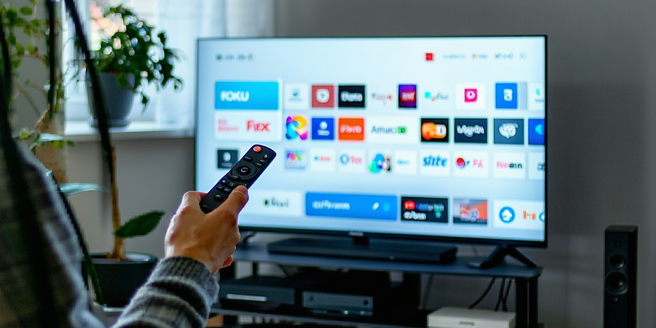
Unlock the potential of streaming devices to revolutionize your media consumption. These compact tools connect your TV to a vast digital world, bypassing traditional cable packages. Major brands like Roku, Amazon Fire Stick, and Apple TV offer diverse features and an extensive content library. When choosing a device, consider compatibility, supported streaming services, and connectivity options like WiFi and Bluetooth. High-resolution support enhances picture quality, while voice control and regular software updates improve user experience. Evaluate processing speed and storage to ensure seamless streaming. Simplify setup by connecting the device to your TV, signing into accounts, and adjusting settings. Troubleshoot common issues by checking your internet connection, updating firmware, and ensuring cable connections. Transform how you access movies, TV shows, and music globally with the efficient setup and use of modern streaming devices.

Iot Devices In Smart Homes
The Internet of Things (IoT) is transforming smart homes by providing advanced automation and connectivity, enhancing convenience, energy efficiency, and security. IoT devices, such as smart speakers, thermostats, lighting systems, and security equipment, allow remote control, optimize resource usage, and provide real-time surveillance. As more households adopt this technology, homes are becoming more sophisticated and responsive to the needs of inhabitants. Despite concerns about security vulnerabilities, robust protocols and regular updates are improving safety. Successful integration with existing systems requires attention to compatibility and central control planning. As IoT continues to evolve, it offers exciting possibilities for smarter, more efficient living environments.

Ai Innovate Interactive Storytelling And Novels
AI is transforming the world of storytelling by enhancing creativity and adaptability in narratives. Through analyzing extensive literary databases, AI assists writers in developing innovative content while preserving distinctive styles. This advancement is not about replacing human authors but empowering them to create engaging, boundary-defying plots. AI's integration allows for interactive reader experiences, adapting stories in real-time to audience choices, thereby increasing engagement through personalized plots. Authors benefit from AI's creative support, while readers enjoy tailored narrative journeys. The technology driving AI storytelling includes machine learning, natural language processing, and neural networks. However, challenges such as intellectual property concerns, authorship credit, and algorithmic bias must be addressed to ensure ethical AI use in storytelling. This intersection of AI with human creativity promises a new era of diverse and dynamic literary experiences.