Innovative Features In Collaboration Software
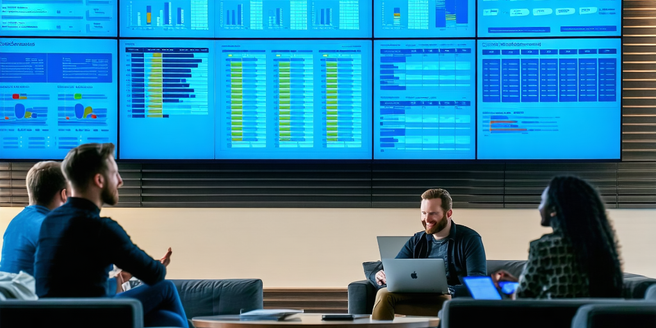
Real-time editing and co-authoring tools enhance collaboration by allowing multiple users to simultaneously edit documents, thus increasing efficiency and fostering teamwork. These tools support creativity, allow version tracking, and reduce errors. Integrated communication platforms streamline team interactions by centralizing messaging, video calls, and email, eliminating tool-switching and ensuring cohesive communication. AI-powered task management solutions optimize project execution by predicting deadlines, prioritizing tasks, and automating scheduling, thus improving productivity. Customizable user roles and permissions enhance security and efficiency by controlling access to content, preventing unauthorized access, and allowing for flexible role adjustments. Cloud-based document storage and sharing offer instant access to files, support real-time collaboration, and provide scalable solutions for growing storage needs, thereby promoting a flexible and seamless workflow.

Trends In Digital Communication Tools
Messaging apps have evolved from basic text-based services to multifunctional platforms offering voice, video, and multimedia sharing, driven by smartphone adoption and the demand for instant communication. Leading apps like WhatsApp and WeChat now offer end-to-end encryption and cater to personal and business needs. Video conferencing has become crucial for remote work, with tools like Zoom and Microsoft Teams offering features that mimic face-to-face interactions and potentially integrating virtual reality for more immersive experiences. Collaborative platforms like Slack and Trello centralize communication and project management, enhancing remote work efficiency. AI in digital communication enhances user experience through chatbots and predictive text, offering insights and personalization. Cloud technology supports scalable and accessible communication solutions, enabling data storage and access from anywhere with robust security measures. However, as these tools become more sophisticated, security challenges such as data breaches require vigilant protection and awareness from users and providers.

Privacy Enhancements In Devices
Understanding device privacy begins with grasping data protection fundamentals and staying informed about security threats and technological advancements. Key elements include hardware-level encryption, secure boot mechanisms, and trusted platform modules, complemented by regular software updates and multi-factor authentication. Emerging technologies like homomorphic encryption and differential privacy are advancing data protection. Firmware plays a critical role in device security, with secure boot processes ensuring its integrity. User-friendly privacy settings empower users to manage data permissions easily, while the balance between privacy and usability remains a challenge for developers. Future trends in device privacy involve biometric authentication, blockchain for decentralized storage, advancements in quantum computing, and edge computing to enhance data privacy.

Dashcam Safety Features
Modern dashcams are equipped with enhanced video recording technology that ensures clear high-definition footage in all lighting conditions, vital for incident evidence and enhancing road safety. They feature automatic incident detection, utilizing sensors to record and save critical moments during accidents, aiding drivers, insurers, and law enforcement. Night vision capabilities enable clear recording during nighttime, bolstering nighttime driving security. Real-time GPS tracking offers location and speed data, benefiting theft recovery and fleet management, while secure data storage options protect sensitive recordings through encrypted and cloud solutions. Additionally, driver assistance integration aids in safer journeys by alerting drivers to potential dangers. These cutting-edge features make modern dashcams an essential tool for road safety and accountability.

Headgear Insulation Techniques
Understanding the science of insulation is crucial for choosing effective headgear to maintain warmth. Insulation works by reducing heat transfer through conductive, convective, and radiative processes. The R-value measures insulation efficiency, with higher values indicating better performance. Common materials include wool, which retains warmth when wet, and synthetics like fleece and Thinsulate, known for lightweight insulation. Modern methods surpass traditional ones by offering lightweight, moisture-managing options. DIY headgear can offer customized insulation using various layering techniques. Evaluating thermal performance involves thermal imaging, user feedback, and R-value testing. Future trends focus on sustainable materials, biomimicry, and smart textiles for enhanced thermal regulation.

Smart Hubs For Device Connectivity
Smart hubs are central components in home automation systems, enabling communication and integration between various smart devices such as lighting, thermostats, security cameras, and door locks. By supporting protocols like Zigbee, Z-Wave, and Wi-Fi, smart hubs facilitate seamless interaction among diverse gadgets, allowing for streamlined control through a single interface or app. They play a vital role in ensuring device compatibility, enhancing convenience, and improving energy efficiency by automating routines and managing energy consumption. With the ability to sync with voice assistants, smart hubs offer hands-free operations and adaptability to occupants’ preferences. As the smart home market expands, understanding smart hub capabilities is crucial for maximizing household connectivity.

Smart Home Ecosystem Integration
Understanding smart home ecosystems involves exploring the interconnected devices and systems designed to improve convenience, security, and efficiency in homes. These ecosystems typically feature smart devices like lighting, thermostats, security cameras, and voice assistants, all integrated through a centralized hub. Key benefits of integrating smart home devices include centralized control, enhanced security, energy efficiency, and improved accessibility. Popular technologies in this space include smart speakers, lighting systems, thermostats, and security cameras. However, challenges such as device compatibility, network reliability, and privacy concerns exist. To overcome these, it is essential to choose compatible devices, maintain a robust Wi-Fi network, and stay informed about your system's capabilities. The future of smart home ecosystems promises further integration and innovation with advancements in artificial intelligence.

High-resolution Laptops For Design Precision
High-resolution displays are crucial in design, offering clarity and detail necessary for precision, color matching, and editing. They minimize pixelation and eye strain, aiding designers in spotting mistakes early and improving workflow. Top laptops for graphic designers include Apple’s MacBook Pro, Dell XPS 15, and Microsoft’s Surface Laptop Studio, known for their high-resolution screens and powerful performance. When selecting a design laptop, prioritize a high-resolution display, powerful processor, ample RAM, and good battery life. Balancing performance and portability is essential, with a focus on efficient processors and lightweight designs. The right screen size and resolution are vital, with 4K displays recommended for clarity and color accuracy. Integration of design software, such as Adobe Creative Cloud, enhances workflow efficiency, making these considerations crucial for professional graphic design work.

Collaborative Networks For Neighbors
Community collaboration is crucial for creating supportive neighborhood networks that improve the quality of life for residents. Through joint efforts, such as community clean-ups and food-sharing initiatives, residents can effectively tackle local issues, strengthen social ties, share resources, and build resilience. Trust, inclusivity, and effective leadership are key components for successful neighborhood networks, along with clear objectives and flexible strategies to adapt to changing circumstances. Building strong networks involves identifying community leaders, setting clear goals, and fostering open communication through regular meetings and digital platforms. Technology, like messaging apps and online forums, plays a vital role in enhancing communication and engagement among residents. Successful neighbor networks result in transformative community impacts, from improving green spaces to enhancing safety and digital literacy. These efforts create a connected and cooperative community culture that fosters ongoing mutual aid and support.

Desktop Enhancement Tools For Remote Productivity
Optimize your remote work setup with must-have tools and techniques for efficiency and productivity. Invest in ergonomic furniture and accessories such as a comfortable chair, premium desk, monitor stands, and proper lighting to create an ideal workspace. Organize your area with cable management solutions and ensure a reliable Wi-Fi connection. Leverage smart devices for added convenience. Enhance collaboration with top software solutions like Slack, Microsoft Teams, Trello, and Google Workspace for seamless communication and task management. Boost focus by using apps designed for concentration, the Pomodoro Technique, and browser extensions to block distractions. Cultivate routines and set clear boundaries to maintain work-life balance. Prioritize ergonomic accessories for comfort and invest in customization and automation tools like IFTTT or Zapier to streamline tasks. By implementing these strategies, you can create a distraction-free, productive home office environment where efficiency and comfort thrive.

Drone Delivery Systems
Drone technology has rapidly transformed delivery systems, evolving from its initial military applications to a key player in parcel logistics. Pioneered by companies like Amazon and Google, drone deliveries promise faster transit and reduced costs. With advanced navigation systems and improved battery tech, UAVs can autonomously deliver packages with increased range and payload capacity. Despite regulatory challenges and safety concerns, the potential for drones in logistics is significant, driven by key players and innovations. Environmental benefits are notable, as drones reduce greenhouse emissions, offering a sustainable alternative to traditional delivery methods. The role of AI is crucial in enhancing drone efficiency, optimizing navigation and predictive maintenance. As regulations and technology advance, drones are set to become an integral part of the modern logistics landscape.

Ai In Decision-making Processes
Artificial Intelligence (AI) is revolutionizing modern decision-making by enhancing efficiency and accuracy. In decision processes, AI analyzes large datasets swiftly, uncovering insights that improve decision quality with data-driven recommendations tailored to organizational goals. This accelerates decision-making, giving businesses a competitive edge. AI's learning ability means it continually optimizes outcomes. Integrating AI offers benefits like reducing human error and automating routine tasks, allowing focus on strategic initiatives. AI's predictive power helps organizations anticipate trends, enhancing operational efficiency. Despite its advantages, AI presents challenges, including potential bias and over-reliance. Ensuring transparency and data security is vital. Across industries, AI aids decisions in finance, healthcare, retail, and more, demonstrating its transformative impact. Successful case studies, such as cost reduction and improved accuracy in various sectors, highlight AI's potential. The future promises even greater AI integration, propelling strategic decision-making forward.