
Workstation Personalization
Personalizing your workstation can transform your work environment into an inspiring and comfortable space, enhancing motivation and productivity. Adding personal elements like soothing color schemes, artwork, or plants can reduce stress and improve mood. Choosing the right desk and chair is crucial for creating an ergonomic workspace, with adjustable options promoting circulation and reducing fatigue. Organize your layout for optimal productivity by keeping tools within reach and ensuring good lighting to reduce eye strain. Ergonomic accessories, such as wrist rests and monitor stands, prevent injury and improve posture, boosting focus and efficiency. Decorate with personal touches like photos and motivational quotes for inspiration, while maintaining a clutter-free environment to stay focused and efficient. Overall, a personalized and well-organized workstation supports your best work habits and enhances your work experience.

Video Tools For Creative Teamwork
Understanding the role of video in team collaboration highlights its importance in enhancing communication and team bonding, especially in remote work environments. Video enables real-time discussions, screen sharing, and idea visualization, which written communication lacks. It serves as a tool for documenting meetings and making key discussions easily reviewable. Video reduces misunderstandings and builds trust, encouraging active participation. For creative teams, video editing tools like Adobe Premiere Pro and Final Cut Pro are crucial for producing captivating content and achieving effective communication. Platforms like Frame.io facilitate real-time collaboration and feedback. Video conferencing has transformed communication, enabling global connectivity without geographical constraints. Platforms such as Zoom and Microsoft Teams offer features that improve virtual meetings, promoting inclusivity and efficient communication. Interactive video platforms like Kaltura and Wistia allow creative teams to engage audiences through immersive content, boosting retention and interaction. Efficient sharing and storage solutions like Dropbox and Google Drive ensure seamless collaboration with secure, accessible cloud options, safeguarding against data loss.
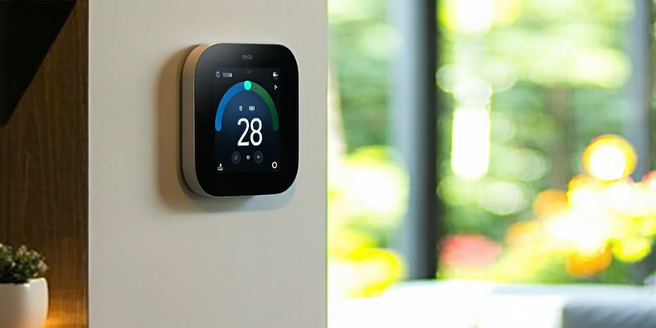
Smart Thermostat Benefits
Smart thermostats deliver substantial energy efficiency and cost savings by optimizing energy use based on occupancy patterns, reducing heating and cooling waste. Featuring an intuitive interface, they provide real-time energy usage reports and suggest optimal settings for savings, helping recoup the initial investment through lower energy bills. These devices enhance comfort and convenience with personalized temperature settings and remote control via smartphone apps, ensuring a comfortable environment at any time. Integration with smart home devices like Amazon Alexa and Google Home allows for customized automation, improving overall home efficiency. Remote access features enable on-the-go climate adjustments and customized schedules to minimize energy waste. Smart thermostats also support environmental sustainability by reducing the carbon footprint and promoting energy conservation, aligning with renewable energy systems for a sustainable future.

Wearable Devices For Sleep Tracking
Understanding the various stages of sleep—light sleep, deep sleep, and REM sleep—is crucial for maintaining good sleep quality and overall health. Wearable devices track these stages using sensors to monitor movement, heart rate, and occasionally blood oxygen levels. This data helps users gain insights into their sleep habits and make necessary adjustments for better rest. When selecting a sleep-tracking wearable, consider features like accuracy in tracking sleep stages, battery life, comfort, and user-friendly apps for data analysis. Popular devices such as the Fitbit Charge 4, Oura Ring, and Apple Watch offer comprehensive sleep tracking and other health-monitoring functions. These wearables empower users with data-driven insights, enabling them to enhance their sleep quality and overall wellbeing.

Portable Laptop Stands To Enhance Ergonomics
Understanding and implementing ergonomics in the workplace is vital for enhancing employee health and productivity. Ergonomics involves designing workspaces that minimize physical strain, thereby reducing the risk of musculoskeletal disorders and improving job performance. Critical factors include proper chair support, adjustable desks, and correctly positioned equipment. Educating employees on these principles can lead to reduced absenteeism and higher job satisfaction. Portable laptop stands are invaluable for maintaining ergonomic practices on the go, promoting better posture and preventing overheating. Key features to look for in a stand include stability, adjustability, non-slip surfaces, and ventilation. Different types of stands cater to various needs, with options like folding, adjustable, and riser stands available. Proper setup of a laptop stand involves ensuring stability, adjusting height and angle for optimal posture, and maintaining an appropriate screen distance to minimize strain, thereby maximizing ergonomic benefits and boosting productivity.

Ergonomic Chairs For Home Office
Enhance your home office with ergonomic furniture to boost health and productivity. Ergonomics helps reduce body strain, improve posture, and increase work efficiency. Regular workspace reassessment ensures continued ergonomic benefits, adapting to changing needs. Investing in high-quality ergonomic products not only provides comfort but also enhances the aesthetics of your office. Prioritize your long-term well-being, productivity, and health by incorporating ergonomic solutions into your home office. Key features to consider in an ergonomic chair include adjustability, lumbar support, and comfort for optimal performance.

Biometric Sensors In Wearables
Biometric sensors are revolutionizing modern technology by enabling seamless interaction between humans and devices through the analysis of physiological and behavioral traits. These advancements are enhancing wearable devices by offering personalized insights, improved safety, and security. The evolution of wearable technology has transitioned from basic fitness tracking to comprehensive health monitoring, thanks to biometric sensors. Key sensor types in wearables include optical sensors, accelerometers, and ECG monitors, which together provide comprehensive data on physical and emotional states. Despite the benefits, challenges like data accuracy, privacy concerns, and battery life remain. However, the future is promising with potential advancements in healthcare and integrated smart systems through innovations in sensors and AI-driven analytics.
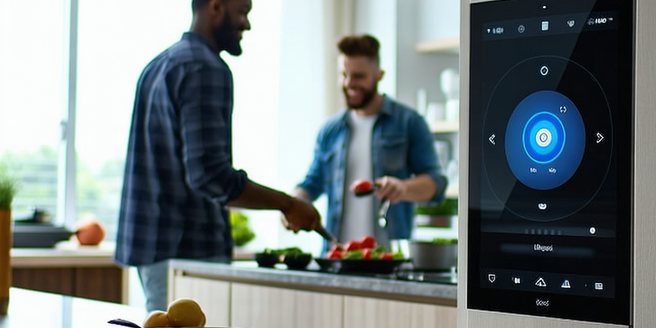
Smart Home Integration
Smart home technology revolutionizes our interaction with living spaces by integrating advanced systems that enhance efficiency, cost-effectiveness, and sustainability. Featuring automated lighting, climate control, and security solutions, smart homes use interconnected devices that communicate over networks, often via Wi-Fi, for centralized control through a single application. Users can operate appliances remotely, set schedules, and monitor energy usage, gaining valuable insights for informed decision-making. Selecting the right smart devices involves identifying needs, ensuring compatibility, and choosing user-friendly options with reliable support. Establishing a central hub ensures seamless device management via a unified interface, promoting energy efficiency and security. Ensuring device compatibility through adherence to industry standards prevents connectivity issues and supports a cohesive ecosystem. Enhancing smart home security requires strong, unique network passwords, two-factor authentication, and regular firmware updates to protect against cyber threats. Through these strategies, smart home technology delivers convenience, innovation, and peace of mind.
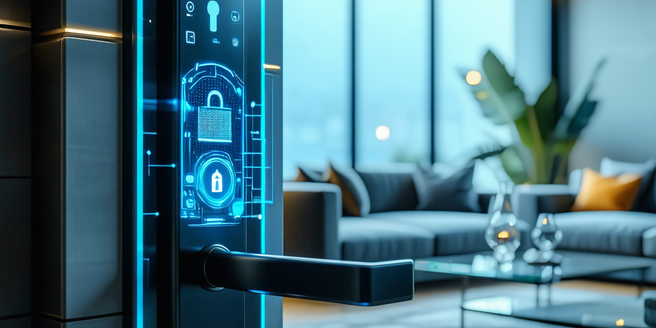
Digital Identity In Cybersecurity
Digital identity in the modern age is crucial for secure interactions in an interconnected world. It involves attributes like authentication and authorization, essential for protecting against unauthorized access and fraud. A robust digital identity system enhances cybersecurity by verifying user legitimacy and embedding security protocols, reducing breach risks. Digital identities consist of components such as usernames and biometric data, and come in types like federated, self-sovereign, and centralized. Managing digital identities poses challenges, including privacy risks and the complexity of multiple identities. Best practices for securing them include strong passwords, MFA, and identity management solutions. Future trends, like decentralized identity solutions and AI integration, promise enhanced privacy and security.
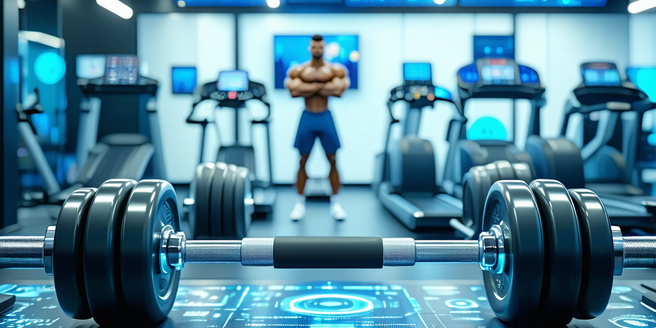
Tech-driven Fitness Equipment
Technology's integration with fitness is revolutionizing gym gear, wearable tech, home fitness machines, and personalized training. Gym equipment now features smart solutions like interactive screens and auto-adjusting resistance, providing real-time performance metrics and customized workouts, boosting motivation and efficiency. Wearable tech, including fitness trackers and smartwatches, offers real-time insights, GPS features, and personalized coaching, enhancing workout accountability and effectiveness. Innovations in home fitness machines have enabled compact, smart designs with interactive features, making home workouts space-efficient and engaging. AI plays a crucial role in personalized training, offering tailored routines and virtual coaching by analyzing user progress. Future trends in fitness technology include VR and AR for immersive experiences, AI-driven nutrition apps, advanced sensor integration in clothing, and cloud-based data sharing for collaborative workouts. These advancements blur the lines between technology and fitness, making workouts more personalized, efficient, and engaging.

Remote Work Hacks For Better Performance
Creating a productive home office environment involves choosing a dedicated workspace, equipping it with comfortable furniture and essential tools, and maintaining a clutter-free area. Enhance comfort with ergonomic setups and use natural light to improve air quality. Time management for remote workers includes defining work hours, prioritizing tasks, and using digital tools for efficiency. Effective communication in remote work requires appropriate tools like Slack and Zoom, clear communication, and feedback encouragement. Balancing work-life involves setting boundaries and using technology to minimize disruptions. Leveraging technology, such as productivity apps and project management tools, is essential for improving efficiency. Regular assessments and adjustments of setups, schedules, and technology use are necessary to adapt to evolving work demands.

Healthy Work Habits
Balancing work and personal life is essential for reducing stress, preventing burnout, and enhancing job satisfaction. Effective time management and setting clear boundaries lead to happier, more productive employees. Employers can boost work-life balance by promoting flexible schedules and respecting personal time. Good posture at desks prevents discomfort and boosts productivity. Proper ergonomic setups, along with regular movement and breaks, reduce fatigue and enhance focus. Stress-free work environments, characterized by open communication and team-building activities, improve employee satisfaction. Implementing wellness programs and encouraging physical activity at work further promote health and creativity. By prioritizing these practices, organizations can create a supportive and efficient workplace culture.