Noise-canceling Versus Sound-isolating Technology
Understanding Noise-Canceling Technology
Noise-canceling technology works by using microphones and electronic circuitry to detect ambient sounds. Once detected, the headphones generate sound waves that are the exact negative of the ambient noise, effectively canceling it out. This active noise control allows the listener to enjoy music or silence without interference from external noise. It’s particularly useful in environments with constant low-frequency sounds, such as on airplanes or in urban settings. However, it’s essential to note that while noise-canceling technology can significantly reduce unwanted sounds, it may not eliminate all noises completely. The quality and effectiveness of noise-canceling vary depending on the model and brand of the headphones. Understanding its mechanisms can help consumers make informed decisions when selecting audio equipment.
Exploring Sound-Isolating Technology
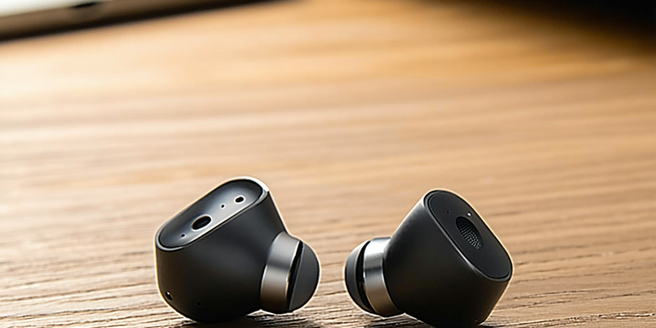
Sound-isolating technology, often found in earbuds, relies on creating a physical barrier between your ears and the surrounding environment. Unlike noise-canceling technology, it doesn’t use electronic sound-canceling techniques but instead focuses on blocking external noise through a snug fit. Earbuds with this technology are typically designed with specific shapes and materials to create a seal in the ear canal. Foam and rubber tips are common as they adapt to the unique shape of each individual’s ear. This passive noise isolation is effective in reducing high-frequency noise and is advantageous because it doesn’t require any power source or electronic components. While effective in many situations, the effectiveness depends on achieving a proper fit within the ear.
Key Differences Between the Two Technologies
When comparing noise-canceling and sound-isolating technologies, the key difference lies in their approach to reducing unwanted sounds. Noise-canceling technology employs electronic processes to negate ambient sounds, making it effective against low-frequency noise like engine hums. In contrast, sound-isolating technology relies on the physical design of the earbuds to create a barrier, minimizing high-frequency noise without electronic intervention. Noise-canceling headphones are often bulkier and require a power source, while sound-isolating earbuds are more compact and portable, suiting active lifestyles. It is essential to consider the environments where each technology thrives to choose adequately based on personal needs and listening habits.
Advantages of Noise-Canceling Headphones
Noise-canceling headphones provide several advantages, primarily centered around their ability to create a peaceful listening experience. One of the main benefits is their capacity to reduce consistent low-frequency sounds, such as the drone of an airplane engine or the hum of traffic, allowing for better concentration and relaxation. This makes them highly suitable for travelers, commuters, or remote workers needing focus in noisy environments. Additionally, these headphones often come equipped with premium sound quality, as manufacturers tend to combine their noise-canceling features with high-fidelity audio components. Comfort is also a priority in their design, with over-ear styles providing cushioning for prolonged use. However, it’s necessary to consider that they require power for the active noise cancellation features.
Pros and Cons of Sound-Isolating Earbuds
Sound-isolating earbuds have gained popularity due to their compact design and effectiveness in reducing unwanted noise passively. One of their significant advantages is their portability—easy to carry around, making them an attractive option for individuals who are always on the move. They provide a snug fit that can block external noise without requiring batteries or power. However, achieving the perfect fit is crucial, as inadequate fitting can compromise their effectiveness. While they may not match the low-frequency noise canceling of active headphones, they excel in blocking high-frequency sounds such as chatter. Some users also find prolonged use uncomfortable, depending on the earbud design and material. Consideration of earbud tips and sizes is recommended to achieve optimal performance.
Making the Right Choice for Your Needs
When deciding between noise-canceling headphones and sound-isolating earbuds, it is essential to evaluate your own needs and lifestyle. Ask yourself where and how you plan to use them. If you frequently travel or work in loud environments, noise-canceling headphones might be the better choice, providing you with significant noise reduction and high-quality sound. However, if portability and the ability to block noise passively are more important, sound-isolating earbuds offer a convenient alternative. Additionally, consider the comfort, fit, and battery life needs. Personal preference in sound quality is another factor. Test different models if possible to gauge comfort and audio performance, ensuring you choose the right audio equipment that complements your lifestyle.