Wearable Technology For Kids
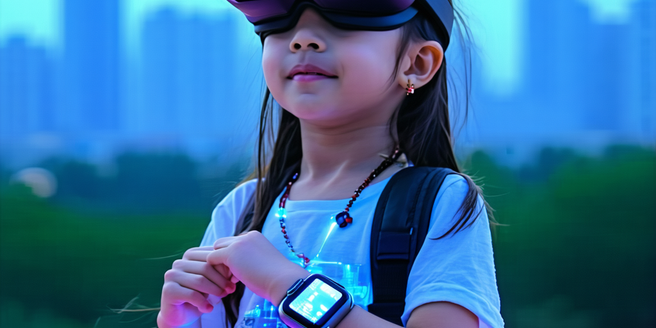
Understanding the Rise of Wearable Tech for Children
The increasing integration of technology in our daily lives has expanded into the realm of children’s products, prompting a surge in wearable tech for kids. This rise can be attributed to the growing demand for digital engagement from a younger age. Parents are increasingly interested in devices that can provide educational value or improve their children’s safety. As companies innovate, wearables are evolving to include features like fitness tracking, location monitoring, and even augmented reality experiences. These technologies offer a blend of entertainment and functionality, meeting the modern expectations of tech-savvy families. Moreover, the expansion of wearable tech is also driven by advancements in mobile technology, making it more accessible and affordable. As a result, wearable devices are not just a fad but reflect a significant trend in how children will interact with technology moving forward.
Benefits of Wearable Technology in Child Development
Wearable technology can play a significant role in a child’s development. Devices like smartwatches and fitness trackers encourage physical activity by tracking steps and setting goals, which can foster a lifelong interest in health and fitness. Educational wearables, on the other hand, are designed to support learning by offering interactive content that adapts to a child’s skill level. These devices can enhance cognitive skills, such as problem-solving and critical thinking, using engaging methods rather than traditional learning. Furthermore, wearables can assist in developing children’s social skills by promoting team activities and interactive games. For parents, wearables offer additional peace of mind with features like GPS tracking, ensuring their children’s safety. Consequently, the thoughtfully designed wearable technology for kids supports various aspects of growth and development, all while integrating seamlessly into their everyday activities.
Top Wearable Devices Designed for Kids
The market is abundant with wearable tech options tailored specifically for children, each offering unique features to cater to their needs. Kid-friendly smartwatches like the TicWatch E2 and Garmin VivoFit Jr. 3 are equipped with GPS tracking, games, and activity rewards systems to motivate children to stay active. For educational purposes, devices such as the Osmo Genius Star Wars or LeapFrog LeapBand are designed to blend learning with play by offering educational games and activities. Beyond fitness and education, wearables like PuroQuiet headphones provide high-quality sound with noise cancellation and include parental volume controls to protect hearing. As these devices continue to develop, they allow children to explore technology safely, fostering an environment that encourages both learning and creativity.
Safety and Privacy Concerns with Kids’ Wearables
As wearable technology becomes more prevalent for kids, concerns about safety and privacy naturally arise. Parents must be vigilant about understanding how these devices collect, store, and share data. It is crucial to select devices that have robust privacy policies and data encryption methods to ensure that personal information is secure. Another concern is the potential for cyberbullying or unauthorized communications through connected devices, which necessitates the need for devices with strict parental controls. Additionally, there are health concerns related to prolonged usage, such as eye strain and the impacts of radiofrequency exposure. Thus, it’s important for parents to supervise and manage their children’s use of wearables, setting appropriate boundaries to maximize safety and minimize risks. Overall, understanding these concerns is vital to making informed decisions that protect children’s well-being while enjoying the benefits of wearable technology.
Parental Controls and Monitoring Features
As the adoption of wearable technology among children rises, the inclusion of parental controls becomes increasingly significant. Many devices are designed with features that allow parents to monitor their child’s activity, ensuring they use the devices safely and responsibly. Features such as GPS tracking provide real-time location updates, which can be vital from a safety perspective. Additionally, communication restrictions can be set to manage who the child can interact with on their device, protecting them from unwanted contacts. Screen time management tools allow parents to limit device usage, balancing technology use with other activities. Companies are continually innovating to enhance these features, giving parents the tools they need to supervise effectively. Parental controls thus remain a cornerstone in the development and utilization of children’s wearable devices, ensuring a harmonious balance between technological advancement and child safety.
Future Trends in Children’s Wearable Technology
The future of children’s wearable technology looks promising, with innovations on the horizon aimed at enhancing learning, safety, and entertainment. Advancements in artificial intelligence and machine learning are paving the way for more personalized and adaptive experiences, whether it be through educational content or fitness trackers that tailor their programs to individual needs. Augmented reality is set to transform how children play and learn, offering immersive experiences that engage them like never before. Health monitoring is also advancing, with wearables capable of tracking vitals and providing insights into children’s physical health conditions, potentially alerting parents to issues early on. Additionally, eco-friendly designs are emerging, focusing on sustainable materials and longer battery life to reduce environmental impact. As these trends unfold, wearable technology is set to become even more integrated into the lives of children, shaping the next generation’s interaction with the digital world.