
Mobile Apps For Stress Reduction
Stress is a common aspect of life that affects both physical and mental health by raising heart rate, weakening the immune system, and exacerbating chronic conditions. Chronic stress can lead to issues such as poor sleep, digestive problems, fatigue, irritability, and hindered decision-making and productivity. Recognizing these effects is essential for effective stress management, which can be aided by stress-reducing apps. When selecting these apps, look for key features like guided meditations, progress tracking, interactive elements, and health app integration to create a tailored stress reduction plan. Leading apps such as Headspace, Calm, and Insight Timer provide diverse meditation and mindfulness tools, while breathing exercise apps like Breathe2Relax and Breathwrk offer techniques for relaxation. Wellness apps, like Fitbit and Google Fit, track stress levels by monitoring indicators such as heart rate and sleep patterns, providing insights for improved stress management. Consistent use of these tools can enhance relaxation, mindfulness, and overall well-being.

Securing Remote Connections To Office Networks
Remote access protocols such as SSH, RDP, and VPNs are essential for securing connections to office networks, each offering unique methods for encryption and authentication. SSH secures channels with cryptographic keys, RDP provides remote desktop access with encryption, and VPNs secure entire data transmissions. Proper configuration and management of these protocols are vital to mitigate unauthorized access. Implementing VPNs requires selecting suitable protocols like OpenVPN and establishing strong authentication practices to maintain secure connections. Managing authentication and authorization involves using multi-factor authentication and Role-Based Access Control to limit access and protect against insider threats. Effective monitoring and logging track access attempts and integrate with SIEM systems for enhanced security. Addressing security challenges involves enforcing data encryption, strong password policies, endpoint security, and network segmentation to safeguard against cyber threats. Organizations must strategically plan and implement robust security measures to ensure secure remote access and protect their data.
Travel-sized Routers For Connectivity
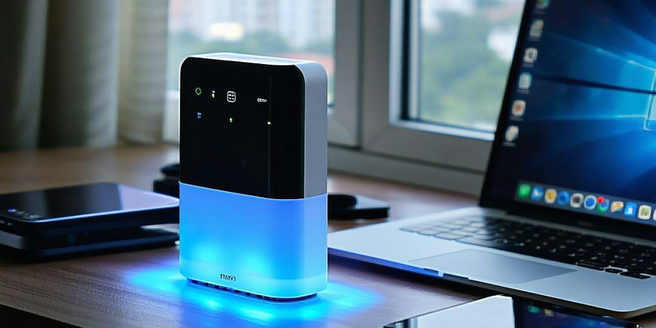
Travel-sized routers are compact devices designed to enhance internet connectivity on the go by connecting to wired networks or public Wi-Fi and redistributing the connection to multiple devices securely. Ideal for travelers, they offer portability and functionality, providing a secure network when using public Wi-Fi and supporting multiple device connections without extra login hassle. Key features to consider include dual-band support, good data transfer rates, security features like WPA3 encryption, and ease of setup. Top models such as the TP-Link TL-WR902AC and HooToo TripMate Titan cater to different needs, from advanced security to budget-friendly options, ensuring reliable and efficient internet access during travel.

Photography Trends In Phones
Computational photography in smartphones enhances image quality by using advanced algorithms, enabling stunning photos through features like HDR and night mode. AI transforms mobile camera features, optimizing settings for superior quality and introducing portrait mode and scene recognition. High-resolution sensors in phones capture unprecedented detail and clarity, enabling enhanced low-light performance and versatile image cropping. Multi-lens systems provide creative options like wide-angle and macro photography, once limited to professional cameras. Emerging technologies such as AR and improved image stabilization continue to advance mobile photography, pushing boundaries and reshaping user expectations for high-quality photography.

Cloud-based Applications Impact Study
Cloud-based applications have revolutionized technology solutions by offering flexible, internet-based access to software and services. These applications eliminate the need for physical installations and provide seamless updates and scalability. As businesses embrace digital transformation, cloud applications enable innovation and efficiency through complex analytics, collaboration tools, and enterprise resources. Key advantages include cost savings, scalability, enhanced collaboration, and robust security. However, cloud adoption comes with challenges such as data security, system integration, potential downtime, and cost management. Successful implementations in various industries, like retail and healthcare, showcase the cloud's transformative potential. Future trends include the integration of AI and machine learning for smarter applications, the rise of edge computing for faster processing, and the development of multi-cloud strategies.

Health Monitoring With Smart Devices
Wearable technology is rapidly becoming essential in the health industry, with devices like fitness trackers and smartwatches transforming how individuals monitor their health. These smart health devices offer features such as heart rate monitors, sleep tracking, and GPS navigation, with advanced options including ECG readings and AI-driven analytics. Choosing the right device involves considering specific health monitoring needs and ensuring compatibility with other devices. Consistent use of smart devices can enhance health tracking and management, while future trends indicate advancements in non-invasive sensors, data analytics, and telehealth integration. This evolving landscape shows wearables as crucial tools in personal health management.

Smart Textiles And Connected Fashion
Smart textiles represent a fusion of technology and fashion, incorporating functionalities like light-emitting fabrics, climate-responsive materials, and health-monitoring textiles. As this field evolves, smart textiles are offering unprecedented possibilities, enhancing user interaction by responding to environmental changes. Connected fashion, integrating IoT, is revolutionizing the industry with garments that provide personalization and practicality, from climate-adjustable jackets to fitness-tracking shoes. Innovations in nanotechnology and miniaturized electronics drive smart textile technology, expanding capabilities without compromising comfort. Wearable tech in fashion is transforming everyday attire with smartwatches and health-monitoring garments, merging convenience with style. Future trends include AI and machine learning to deliver interactive, customizable clothing experiences, blurring the line between digital and physical apparel, and promising sustainable, energy-efficient advancements.

Yoga Ball Chair Considerations
Discover the benefits of using a yoga ball chair, which promotes active sitting by engaging your core muscles, improving balance, posture, focus, and energy levels. Learn how to choose the right size based on height for proper ergonomic alignment and safety. Improve your posture and strengthen your core with regular use while preventing slouching. Beginners can incorporate simple exercises such as balance, hip circles, and wall squats into their routines for added fitness benefits. Be mindful of potential drawbacks like instability; transition gradually to avoid muscle fatigue, ensuring the ball is properly inflated and situated on a non-slip surface for safety.
Cybersecurity Essentials For Remote Work
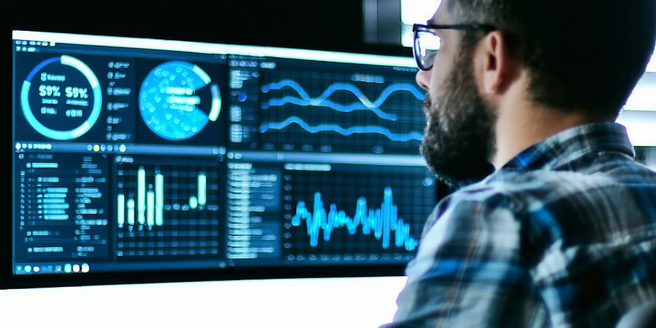
Understanding the rise of remote work and the associated cyber threats is essential for maintaining cybersecurity. Remote workers are vulnerable to advanced phishing attacks, unsecured device risks, and insider threats. Training employees to identify threats and implementing strong security policies, including regular software updates and reputable security software, are crucial strategies. Strong password policies, featuring complex passphrases and multifactor authentication, reduce unauthorized access. Securing Wi-Fi networks with unique passwords and using VPNs protect data from cybercriminals, especially on public networks. Ensuring sensitive data protection through encrypted channels, access controls, and data loss prevention technologies strengthens overall security. By adopting these practices, organizations can significantly enhance the cybersecurity of remote work environments.

Smart Garage Doors For Modern Homes
Smart garage doors provide numerous benefits, including enhanced security through integrated cameras and remote access, ensuring peace of mind and energy efficiency with smart sensors to prevent energy loss. They offer convenience with smartphone app or voice command operation, customizable settings, and real-time monitoring. Key features to prioritize in smart garage doors include safety sensors, Wi-Fi and app connectivity, strong security features, energy efficiency, smart home integration, battery backup, and ease of installation. The installation process involves assessing compatibility, professional setup, proper alignment, and thorough testing to ensure functionality. Integrating smart garage doors with home automation systems enhances convenience, allowing unified control, voice command, energy optimization, and routine automation. Top brands like Chamberlain, LiftMaster, Genie, Craftsman, and Ryobi offer unique features such as robust security, reliability, quiet operation, and modular designs, catering to various homeowner needs.

Mindfulness Tech Apps
Mindfulness apps have gained popularity as a convenient tool for stress management and enhancing well-being, providing guided meditations and exercises via smartphone. As digital health awareness grows, these apps integrate mindfulness into daily life using accessible technology, reflecting a shift towards self-care amidst fast-paced lifestyles. Top mindfulness apps feature guided meditation sessions, personalization options, and integration with wearable devices, merging technology with traditional practices. Users find balance through regular app use, supported by features fostering routine mindfulness. Comparing free and premium versions reveals that while free apps offer basic functionality for beginners, premium options provide expanded content and enhanced experiences. User testimonials highlight benefits such as improved stress management and emotional regulation. Future trends suggest that advancements like artificial intelligence will further personalize mindfulness experiences.
Hybrid Work Models
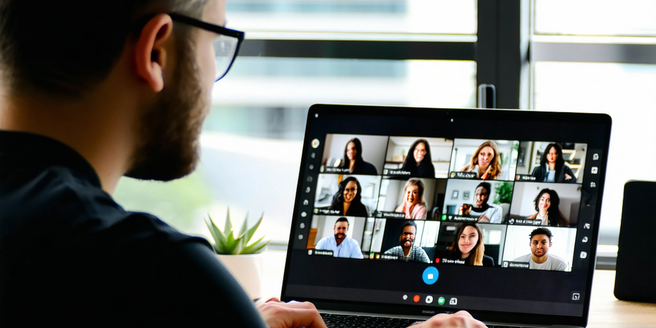
Hybrid work models combine on-site and remote work, offering employees flexibility while maintaining the benefits of traditional office interactions. These models require clear guidelines, communication tools, and a supportive culture to ensure productivity and collaboration. Benefits include improved work-life balance, cost savings for organizations, and access to a wider talent pool. Challenges such as communication gaps and equitable resource access need addressing through digital tools and effective management. Essential technologies include cloud-based platforms, secure access solutions, and project management software. Creating a robust hybrid work culture involves trust, transparency, and inclusivity. Future trends may involve greater technology integration and personalized work experiences.