
Cybersecurity Essentials For Remote Work
Understanding the rise of remote work and the associated cyber threats is essential for maintaining cybersecurity. Remote workers are vulnerable to advanced phishing attacks, unsecured device risks, and insider threats. Training employees to identify threats and implementing strong security policies, including regular software updates and reputable security software, are crucial strategies. Strong password policies, featuring complex passphrases and multifactor authentication, reduce unauthorized access. Securing Wi-Fi networks with unique passwords and using VPNs protect data from cybercriminals, especially on public networks. Ensuring sensitive data protection through encrypted channels, access controls, and data loss prevention technologies strengthens overall security. By adopting these practices, organizations can significantly enhance the cybersecurity of remote work environments.

Smart Garage Doors For Modern Homes
Smart garage doors provide numerous benefits, including enhanced security through integrated cameras and remote access, ensuring peace of mind and energy efficiency with smart sensors to prevent energy loss. They offer convenience with smartphone app or voice command operation, customizable settings, and real-time monitoring. Key features to prioritize in smart garage doors include safety sensors, Wi-Fi and app connectivity, strong security features, energy efficiency, smart home integration, battery backup, and ease of installation. The installation process involves assessing compatibility, professional setup, proper alignment, and thorough testing to ensure functionality. Integrating smart garage doors with home automation systems enhances convenience, allowing unified control, voice command, energy optimization, and routine automation. Top brands like Chamberlain, LiftMaster, Genie, Craftsman, and Ryobi offer unique features such as robust security, reliability, quiet operation, and modular designs, catering to various homeowner needs.

Mindfulness Tech Apps
Mindfulness apps have gained popularity as a convenient tool for stress management and enhancing well-being, providing guided meditations and exercises via smartphone. As digital health awareness grows, these apps integrate mindfulness into daily life using accessible technology, reflecting a shift towards self-care amidst fast-paced lifestyles. Top mindfulness apps feature guided meditation sessions, personalization options, and integration with wearable devices, merging technology with traditional practices. Users find balance through regular app use, supported by features fostering routine mindfulness. Comparing free and premium versions reveals that while free apps offer basic functionality for beginners, premium options provide expanded content and enhanced experiences. User testimonials highlight benefits such as improved stress management and emotional regulation. Future trends suggest that advancements like artificial intelligence will further personalize mindfulness experiences.
Hybrid Work Models
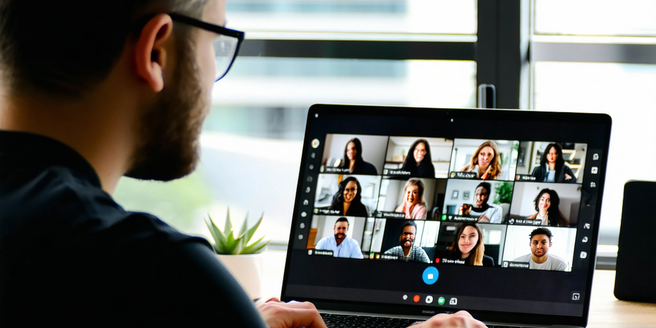
Hybrid work models combine on-site and remote work, offering employees flexibility while maintaining the benefits of traditional office interactions. These models require clear guidelines, communication tools, and a supportive culture to ensure productivity and collaboration. Benefits include improved work-life balance, cost savings for organizations, and access to a wider talent pool. Challenges such as communication gaps and equitable resource access need addressing through digital tools and effective management. Essential technologies include cloud-based platforms, secure access solutions, and project management software. Creating a robust hybrid work culture involves trust, transparency, and inclusivity. Future trends may involve greater technology integration and personalized work experiences.

Robot Vacuums For Home Automation
Discover how robot vacuums have transformed home automation with their cutting-edge technology and ease of use. These autonomous devices employ sensors and algorithms to navigate and clean homes efficiently, adapting to various floor types with brushes and suction. Key features to consider include battery life, suction power, multi-surface adaptability, and smart home compatibility for seamless integration. Enhance your home with top models like the Eufy RoboVac for affordability, iRobot Roomba s9+ for pet owners, or the Roborock S7 for dual cleaning versatility. Maintain peak performance with regular upkeep, such as emptying dustbins, cleaning filters, and updating software. Embrace smart technology by integrating robot vacuums with home systems for enhanced convenience and functionality.

Noise-cancelling Travel Mask
Noise-cancelling masks are transforming personal space and relaxation in crowded settings by blocking unwanted germs and reducing ambient noise. Ideal for long flights and commutes, these masks lower stress and anxiety, enhance focus, and improve well-being. They use built-in microphones and active noise cancellation technology to create a peaceful environment, making them a must-have for frequent travelers. When choosing a mask, consider comfort, battery life, and noise reduction capabilities, with reviews offering valuable insights. For optimal use, ensure a proper fit, charge fully, and maintain cleanliness. Customer reviews highlight high satisfaction, emphasizing the masks' comfort, portability, and ability to create tranquil spaces.

Blockchain Technology In Supply Chain Management
Blockchain technology serves as a decentralized digital ledger that improves transparency and security by recording immutable transactions across multiple computers. Essential concepts include decentralization, consensus algorithms like Proof of Work and Proof of Stake, and smart contracts which execute automatically under predefined conditions. In supply chains, blockchain provides a single source of truth by offering real-time, traceable records from production to delivery, thereby enhancing transparency, reducing fraud, and improving trust. For inventory management, blockchain enables real-time tracking, better demand forecasting, and automated processes through smart contracts, ultimately minimizing costs and enhancing service levels. Challenges in blockchain integration include interoperability with existing systems, scalability, data privacy concerns, regulatory complexity, and initial investment costs. Despite these hurdles, blockchain holds transformative potential for global supply chains, promising improvements in efficiency, security, and transparency as the technology continues to evolve.

Mobile Health Trends
Telemedicine and remote consultations are transforming healthcare delivery by providing patients with access to medical care via digital platforms, especially in remote areas. Wearable health devices are empowering individuals to manage their wellness through real-time data and insights, while AI integration in mobile health apps is enhancing diagnostic accuracy and personalized care. However, data privacy remains a critical concern, necessitating robust security measures to protect sensitive patient information. The future of mobile health looks promising with advancements in personalized medicine, AI, and 5G connectivity, fostering a more connected and efficient healthcare ecosystem.

Wireless Chargers: Convenience Redefined
Wireless charging technology, also known as inductive charging, enables power transfer to devices using electromagnetic fields, without physical wires. It provides convenience by reducing cable clutter and enhances device longevity by minimizing wear on ports. Wireless chargers offer compatibility across multiple device models, enhancing versatility and safety by reducing tripping hazards and electrical issues. As the technology advances, charging becomes faster and more efficient. To choose the right charger, ensure compatibility with your device, consider charging speed, design, and safety features like foreign object detection. Setting up a clutter-free, easily accessible charging space optimizes efficiency. Looking ahead, innovations like over-the-air charging and smart home integration are set to transform device design and enhance the convenience of wireless power, making traditional cables increasingly obsolete.

Face Unlock Technology
Face unlock technology is rapidly advancing, offering a convenient and secure way to access devices without passwords. This biometric solution uses intricate hardware and software to authenticate users by analyzing unique facial features. While it enhances security and user convenience, concerns about potential spoofing and privacy data misuse remain. Notably, technology varies across devices, with high-end smartphones typically offering superior reliability due to sophisticated systems. Looking ahead, integrating AI and machine learning is expected to improve accuracy and unlock times, potentially transforming sectors like banking and healthcare. However, ethical use and privacy protection will be essential as this technology becomes more prevalent.

Tech In Outdoor Adventures
Explore the transformative impact of technology in outdoor activities, highlighting wearable devices, GPS tools, solar-powered gadgets, drone photography, and augmented reality. Discover how smartwatches and fitness trackers enhance safety in hiking and camping with GPS, heart rate monitoring, and solar charging. Learn how GPS devices offer reliable navigation through real-time data and advanced mapping features. Delve into sustainable exploration with solar-powered equipment, reducing environmental impact and increasing practicality. Uncover the visual storytelling revolution with drone photography, offering unique aerial views and high-resolution imagery. Finally, explore the future of outdoor adventures with augmented reality, enhancing experiences through interactive digital overlays and educational insights. Embrace these technological advancements for a safer, more sustainable, and enriched outdoor experience.

Weekly Planning Techniques For Remote Efficiency
Enhance productivity in a remote work environment by understanding the importance of weekly planning. Weekly planning helps manage workloads, reduce stress, and ensure accountability, while setting clear and achievable goals keeps remote teams focused and aligned with organizational objectives. Utilize digital tools for improved coordination, enabling seamless communication and efficient task management. Allocate time for collaborative activities to promote team cohesion and innovation. Regularly review and adjust plans to maintain agile workflows, ensuring adaptability in dynamic work settings. Prioritize discipline, consistency, and transparency to boost remote work success and maintain a proactive workforce.